Is there anything more exciting and mysterious (and also frustrating and annoying) in the financial sphere than your credit score? You just want to get on with what you need to do, and here is this mystery number keeping you from accessing the credit you need. Underst anding how banks and lenders use your credit score is critical to a healthy, happy financial life. We’re here today to answer some common questions South Africans have, including the most pressing: do all banks and lenders in the country rely on your credit score? Let’s find out!
Do All Banks and Lenders Use Your Credit Score?
The South African banking sector is a broad and diverse one. You have everything from Investec, focused on high-income earners, down to ‘banks of the people’ like Capitec and Thyme. Do they really all use credit scores? Yes, they do, if the bank offers any type of credit. This could be credit card partnerships with Mastercard and Visa, right through to installment-type lending and even car and mortgage loans.
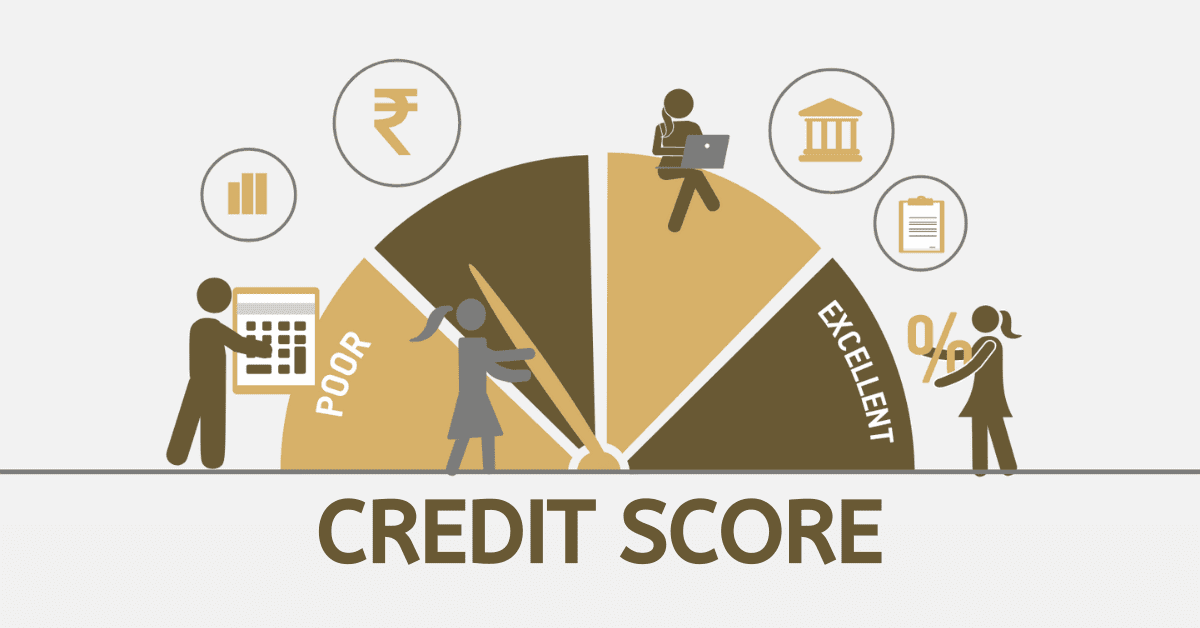
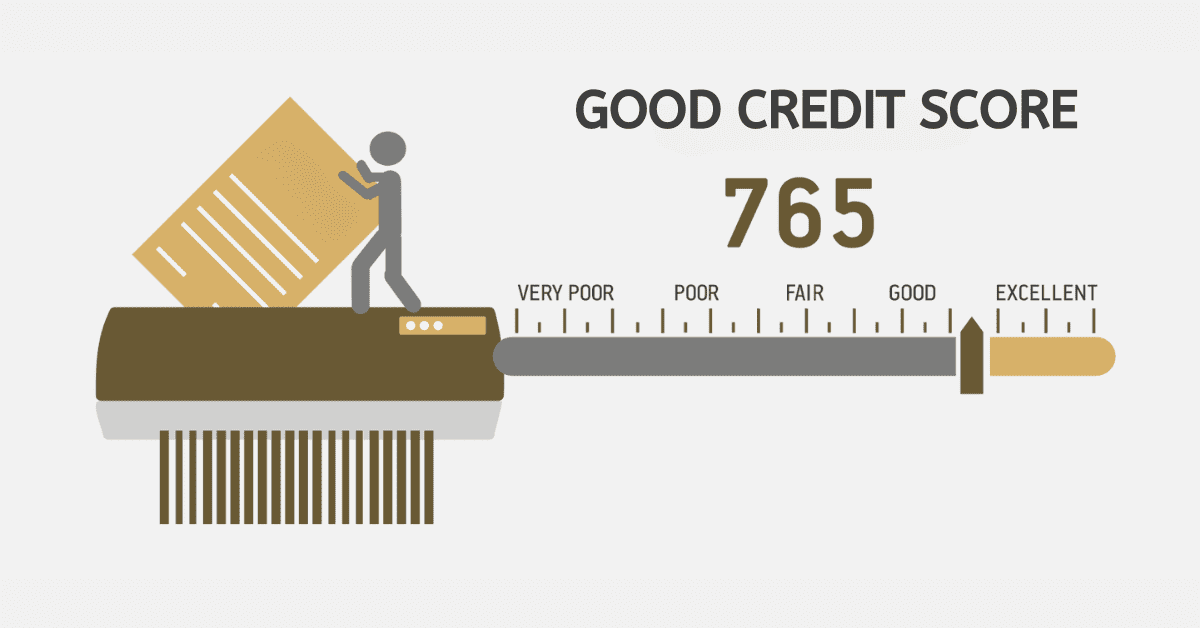
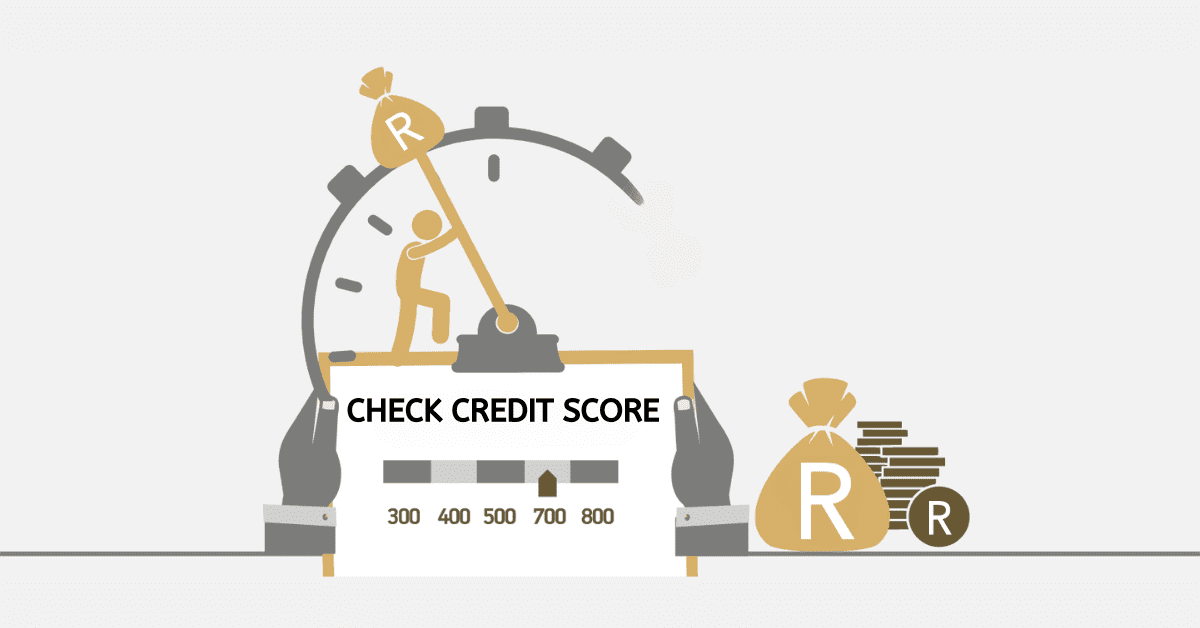
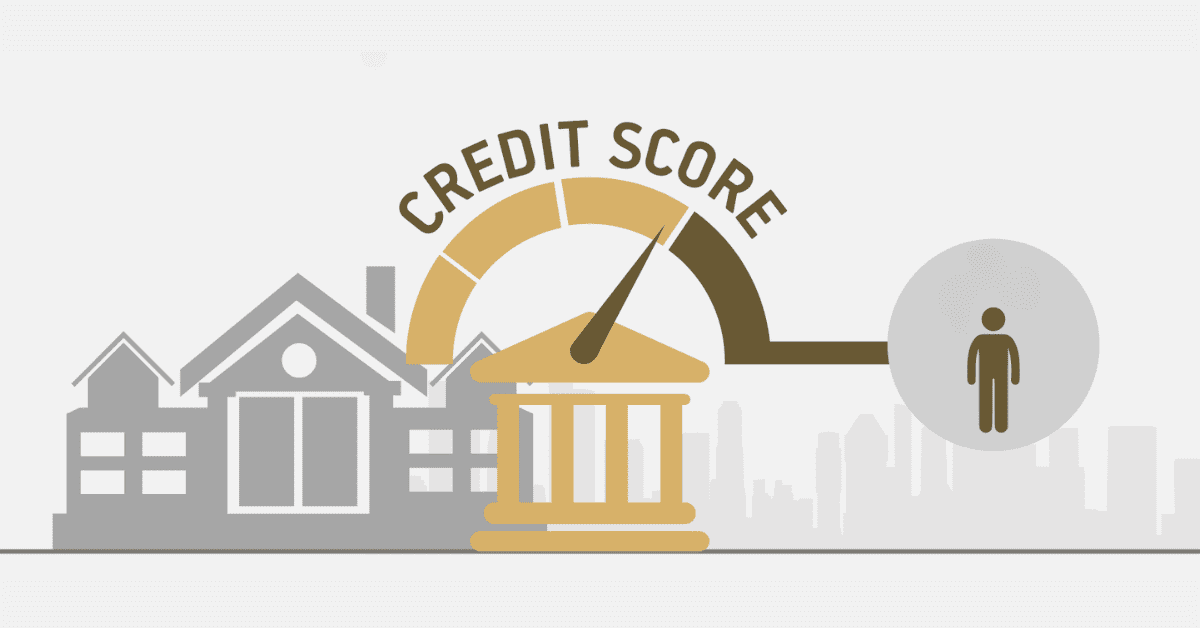
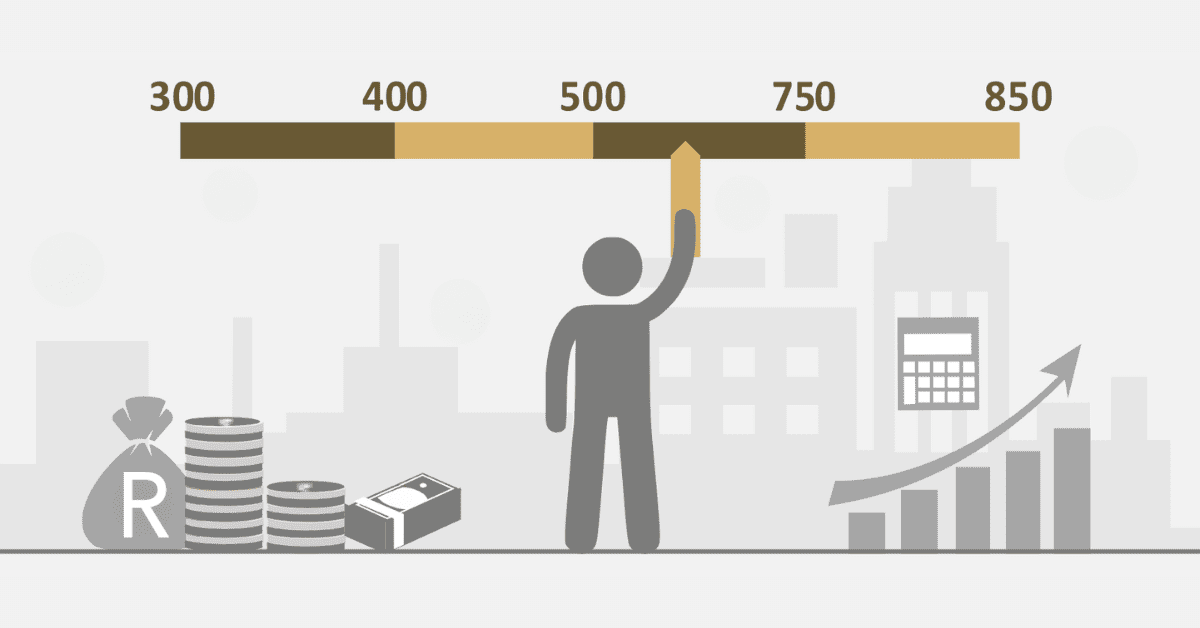
Why? Your credit score serves as a key determinant in the decision-making process around loans and credit. It offers a potential lender a snapshot of your financial history around credit and how responsibly you manage debt. The figure may be arbitrary (who decided 850 was the top number?) but the data it reflects is not. Remember, lines of credit are a risk for any institution. You may not pay it back, and there goes the capital they loaned you as well as the interest they should have earned! So they need something to help assess how solid a risk the applicant is, and how likely the credit journey is to be a good one.
However, it is important to realize that your credit score is only used to judge your creditworthiness for loans. It doesn’t reflect your overall financial history in any way. Some people could have a fat bank balance and a terrible credit score- they aren’t linked! So credit scores only come into play if you are trying to access credit. Things like opening a bank account, investing, and other financial things will not use your credit score in any way.
Do All Banks Use the Same Credit Score?
Not all banks in South Africa utilize identical credit scoring systems. While all lenders will look at the same credit bureaus and see the same numbers from that bureau, they all have in-house actuaries who assess the risk to the lender. They will also have specific methods to apply that credit score to the risks they’re willing to take.
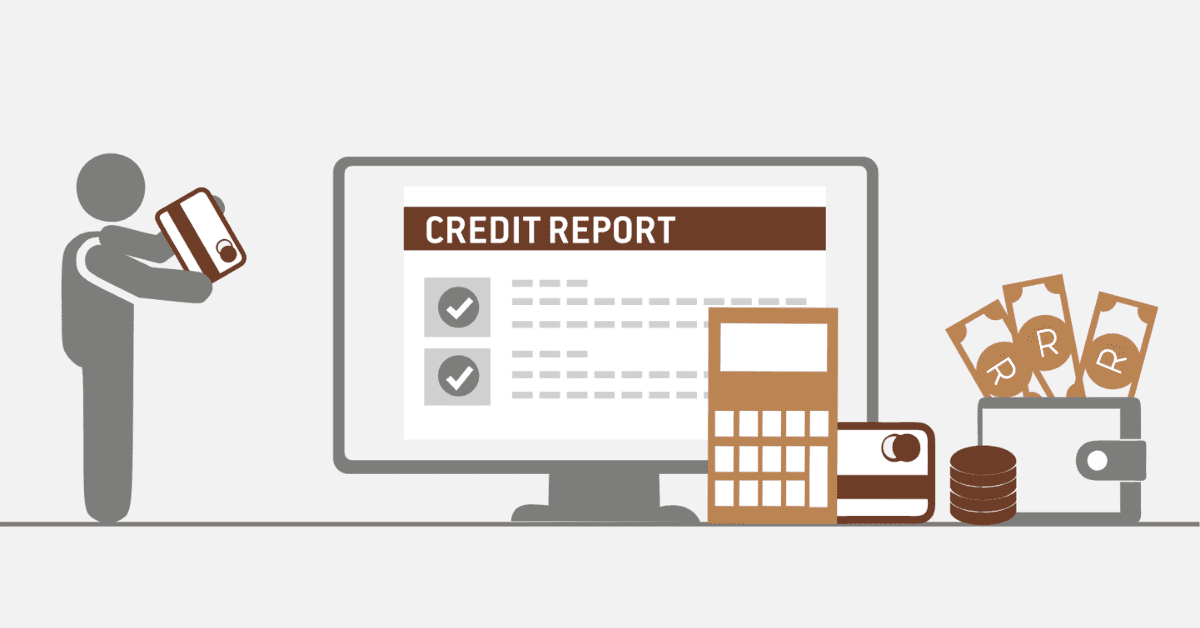
Additionally, there is more than one credit bureau, and they each use their own methodology to arrive at your score with them. So different banks may pull credit information from different bureaus, resulting in variations in the credit score you receive. While the core elements considered for credit scoring are the same – factors such as your payment history, credit usage, length of credit history, types of credit, and new credit lines you’ve opened recently – the specific algorithms and weight assigned to each factor will differ. So the credit score you are provided by one bank may not be directly interchangeable with that from another institution.
This is why it is important not to try and ‘game’ your credit score in a panic. If you focus on developing smart, positive credit habits, your scoring across all bureaus and lenders will steadily rise and you will look like a good credit risk no matter what specifics they use. If you’re frantically trying to boost only one score, you could miss out on the one that will count.
Can Lenders Access Your Credit Score?
Yes, lenders can access your credit score. They are the exact audience the credit score was made for! The credit scoring system serves as a reliable tool for lenders to assess the risk associated with extending credit to an individual. Your bank itself will have some of that data on record, but an independent lender has no other way to assess how much of a credit risk you are.
However, remember that your credit score is not the sole determinant in the decision-making process. Lenders will consider other factors, such as your income, employment history, and overall financial health, before making a decision. It’s not about one score. But rather the ‘bigger picture’ of what you earn, how you spend it, and how trustworthy with the ‘free money’ that comes with loans you are. While your credit score is a crucial component of that judgment, it’s not the sole arbiter of your creditworthiness.
What Bank Has the Most Accurate Credit Score?
If you are wondering which bank has the ‘most accurate’ credit score, you’ve missed the point! Overall, the accuracy of any credit score is tied to the credit reporting agencies and their data quality. Major credit bureaus in South Africa, such as Experian, TransUnion, and Equifax, play a pivotal role in furnishing credit information to banks and are seen as some of the most reliable sources of this information. If you are scoring well at these bureaus, you have nothing to worry about.
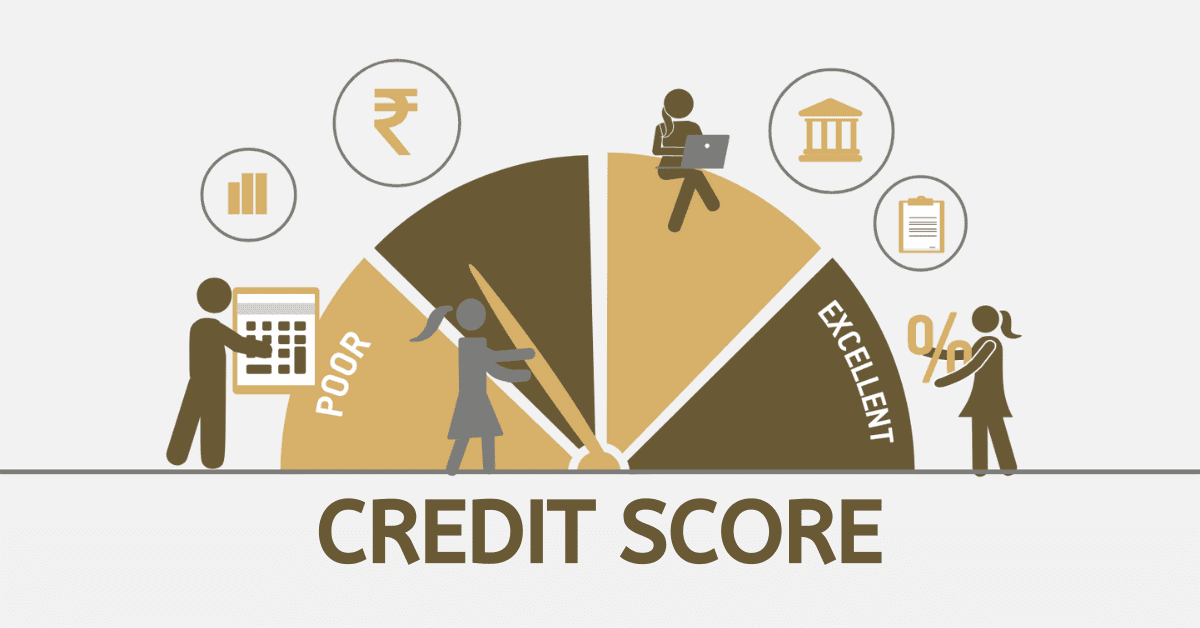
However, circle back to what we mentioned above. Every financial institution weighs risk differently. They look at different factors, too, so certain elements of your credit score may matter more (or less) to them. Instead of worrying about who has the ‘most accurate’ credit score, focus on what really counts. How good are you with credit? Do you look like a smart risk or a bad one? Your credit score isn’t a school test to ‘pass’ or ‘fail’, although it can seem like that. It is a graded picture of how smart the lender can trust you to be with the loan they give you.
Which Credit Score is Most Accurate?
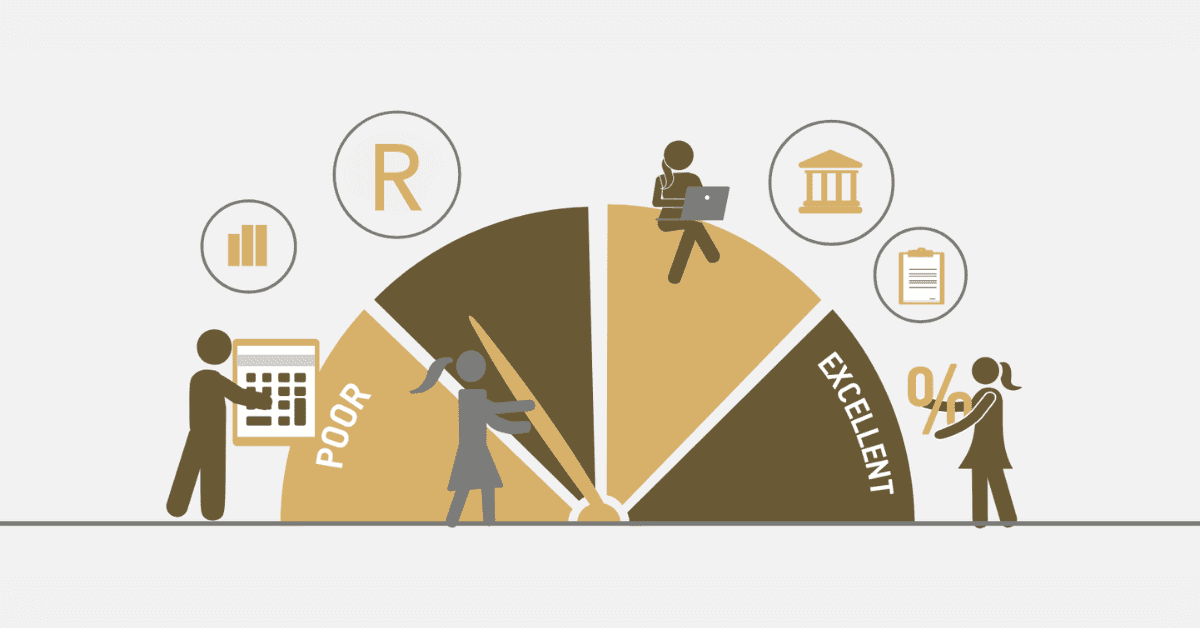
Again, which credit score is most accurate isn’t a question you need to ask. One bureau may receive your recent payment data faster than the other, or pick up a new credit line others haven’t yet. However, they will all receive the same data over time. If you regularly check your credit reports with the different bureaus, you will see they all align in a similar range, even if they aren’t identical. And that range is what matters most, not a point here and there. Rather than fixating on a specific number, ensure you maintain your credit health, manage credit responsibly, and promptly address any issues you note on your credit reports. Soon, you’ll look like a great risk to everyone, regardless of who they go to for the data!
As you can see, credit scores are an important part of accessing credit and looking good to lenders. Rather than worrying too much about your precise score, focus instead on the range you fall in and what it indicates about your credit habits. Improving them will improve your score across the board, no matter which bureau or bank you approach.