Starting a business can be hard sometimes, especially while determining how to handle tax regulations. One important aspect of running a business in South Africa is registering for Value-Added Tax (VAT) with the South African Revenue Service (SARS). If you’re prepared to take your business to the next level and guarantee its success, you must comply with the VAT Act. Keep reading to learn how to register for VAT
How Do You Register For VAT SARS?
In South Africa, registering for VAT with SARS is a crucial step for businesses operating in the country. If you run a business and the value of taxable sales made or to be made in the next 12 months will be more than R1 million, you must register for VAT. If your business makes taxable supplies, but the value is less than R1 million, you may voluntarily choose to register.
You can register for VAT with SARS using two methods, through eFiling or by making a virtual appointment.
- eFiling: You can register for VAT through SARS’ eFiling platform by completing the VAT101 application form and submitting it along with the required supporting documents.
- Virtual appointment: If you prefer to register for VAT through a virtual appointment, you can make an appointment via SARS’ eBooking system. Select the “Telephonic engagement or Video” appointment channel, and select “Other” under the Reason category. Then, select “VAT registration” as the Reason for the appointment. During the appointment, a SARS representative will assist you with the VAT registration process.
Once you have determined if you are required to register for VAT, follow these steps to register on eFiling.
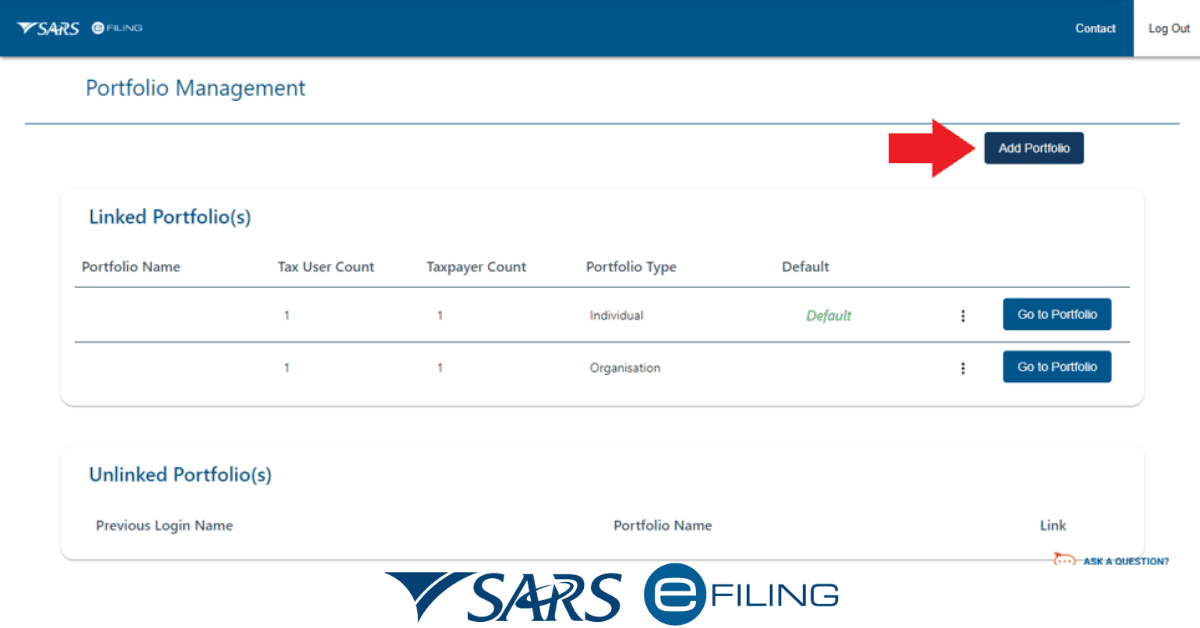
- Access your eFiling profile or create a new one if you already have one.
- Go to the “SARS Registered Details” section. For individuals, this can be found under the “Home” section on the left menu. For tax practitioners and organizations, it is under the “Organisations” menu tab.
- Select “Maintain SARS Registered Details.” You must agree to the statement confirming that you are authorized to make changes to the vendor’s registered details.
- Go to the “VAT” section under “My Tax Products” and “Revenue” on the left menu.
- Choose “Add New Product Registration” to register a new VAT branch.
- Fill out the VAT information, including the registered details, trading name (if applicable), liability date, business activity code (obtained from the VAT 403 Vendors and Employers Trade Classification Guide), farming activity code (if applicable), registration options, the value of taxable supplies, accounting basis, tax period, and contact and banking details.
- Submit the VAT registration by selecting the “Submit” button.
How Do I Activate My VAT Profile On Efiling?
You can manage your VAT obligations by having an active VAT profile, such as filing VAT returns
To activate your VAT profile on eFiling, follow these steps:
- Log in to your eFiling account.
- From the “Taxpayer List,” select the correct taxpayer.
- Go to the “Organisations” tab.
- Open the “Organisation” menu and select the “Organisation Tax Types” sub-menu.
- Check the box next to the applicable tax type.
- Enter your tax reference number.
- Click the “Register” button to complete the activation process.
Once you have completed these steps, the selected tax type will be activated for your organization, and you will be able to manage and file returns for that tax type through your eFiling profile. It is important to regularly update and maintain your tax types on eFiling to ensure that you remain compliant with South African tax laws and regulations.
How Do I Submit My VAT Return To Sars Efiling?
Vendors in South Africa must submit their VAT returns to SARS within a specified timeframe. The preferred method for submitting these returns is through SARS eFiling. By using eFiling, vendors can quickly and easily complete and submit their VAT returns, which must include details on the amount of VAT payable or refundable for the relevant period. The deadline for submitting VAT returns through eFiling is the last working day of the month following the end of the tax period. This streamlined process helps ensure that vendors meet their VAT obligations and stay compliant with tax laws.
Which Form Is Used To Register For VAT?
The VAT application for registration comprises two forms; VAT101 and VAT102. The VAT101 form is the primary application form and must be completed in full to initiate the VAT registration process. The VAT102 form, on the other hand, is used to provide additional information that may be required to support the VAT101 form. These forms must be completed accurately and submitted to SARS for processing. The VAT101 and VAT102 forms can be obtained from the SARS website or a branch office. After the forms are submitted and reviewed, SARS will issue a VAT registration number to the applicant if the application is approved.