Understanding the taxation in your country is very beneficial. In the South African context, evading tax can be a serious crime; this is why the South African Revenue Service has multiple mediums educating individuals and companies about taxes.
The South African Revenue Service has the important role of managing and gathering taxes, ensuring everyone follows tax laws, and educating individuals and businesses regarding their tax responsibilities. Tax evasion is a very serious crime that SARS takes very seriously. They use different methods to fight against it, and they stress the significance of people willingly following tax laws.
The country’s tax system comprises different types of taxes, including personal income tax, VAT, corporate income tax, and several others.
In this blog post, our focus will be on taxable income. We will give you insight on reconciliation to taxable income, what should be included in taxable income, the period involved, and much more.
What is reconciliation to taxable income?
Reconciliation of taxable income is a broad aspect of looking into your taxation on salaries. How well do you understand this concept? Let us look more into this.
In South Africa, when we talk about “reconciliation to taxable income,” we usually refer to the process where taxpayers ensure that their financial statements match the taxable income they have reported to the South African Revenue Service (SARS). Ensuring compliance with the country’s tax laws and regulations is of utmost importance, making this reconciliation a crucial step.
Taxable income refers to the specific amount that an individual or entity is required to pay taxes on. This figure can sometimes differ from the net income that is reported in financial statements. The reason for this discrepancy is that tax rules, allowable deductions, and other tax-related adjustments can impact the final taxable income amount.
The reconciliation process aims to close the divide between financial accounting and tax reporting.
For example, there are certain expenses that you can deduct for tax purposes, but they may not be recognised in your financial statements. On the other hand, there could be expenses that are recognised in your financial statements but are not deductible for tax purposes. It is important to note that the methods and rates of depreciation for tax purposes may vary from those employed in financial accounting.
Common reconciling items typically consist of expenses that cannot be deducted, tax credits, and various adjustments that are essential for accurately determining the final taxable income. As part of the annual tax return filing process, taxpayers must submit their financial statements along with the reconciliation to SARS.
If you don’t accurately reconcile, it can cause you to either pay too little or too much in taxes. This could result in penalties or missed chances to save on taxes. Hence, it is important for individuals and businesses in South Africa to thoroughly examine and align their financial statements with taxable income. This will help them adhere to tax regulations and make the most of their tax situations. If you are not good in the reconciliation process, you can consult a tax expert or professional to provide a legal guide for all your tax work.
What should be included in a tax reconciliation?
Tax reconciliation is an important part of the tax reconciliation process in South Africa. It involves creating a detailed report that outlines the earnings of all the employees working for an employer. You are required to submit this report to the South African Revenue Service. It is mandatory and cannot be skipped.
One of the main duties of employers is to ensure that they deduct the appropriate amount of taxes from their employee’s paychecks each month. The deduction should be in accordance with the current tax regulations and rates. After making these deductions, the employer is responsible for sending the collected taxes to SARS every month.
In South Africa, the SDL, UIF and PAYE are included in the tax reconciliations. There are instances where a negative sign on your PAYE also comes in the reconciliation, however, the negative is treated just as the PAYE indicated.
The exclusion of these components indicates its importance, benefits and legal backing. It is the duty of employers to ensure the right components in the tax reconciliation are included.
What is the period of reconciliation for SARS?
According to the South African Revenue Service, reconciliation of tax can be done in two batches. These periods are considered as the assessment time for all employers to submit their reconciled taxes.
The interim period which is the first time for the reconciliation is from 1st March to 31st August of every year. And the annual period starts from 1st March to the end of February. The annual period is considered to be the time all employers are to submit the tax details for the full year of the preceding year.
How do I reconcile my tax return?
The first step to reconciling your tax return is understanding how taxation works in South Africa. To complete this process, you will need to declare your income and keep track of any expenses that are eligible for tax deductions. Sometimes, hardworking taxpayers may even discover that they qualify for a refund.
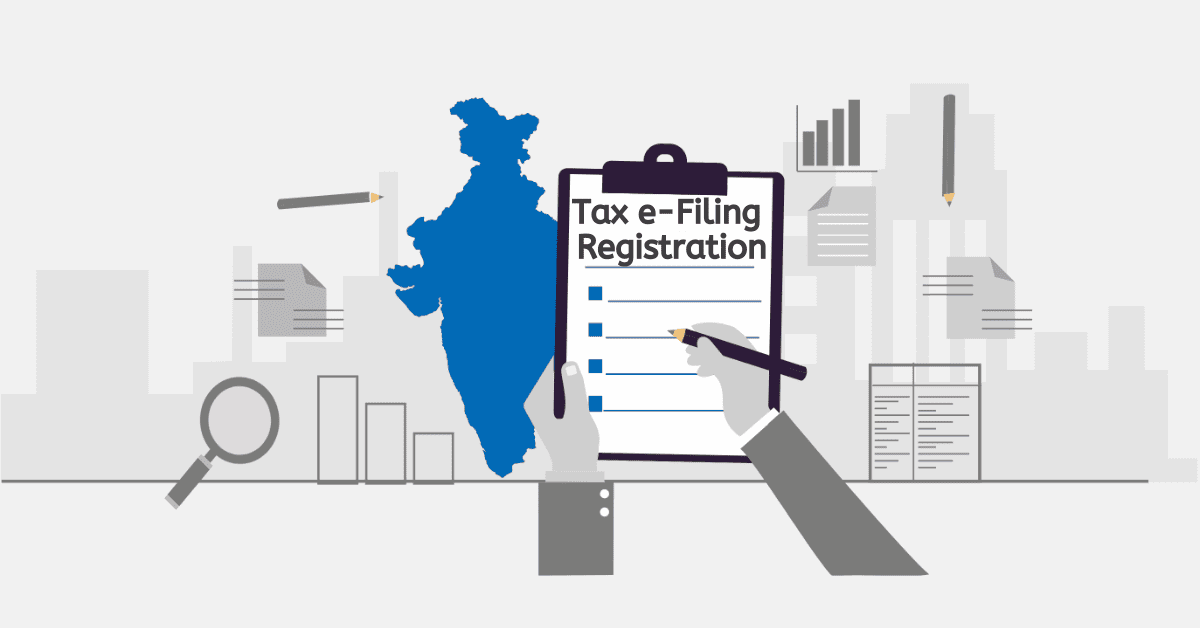
There are various channels offered by SARS, and reconciling your tax return has become more convenient than ever. Many people still prefer the traditional methods of submitting their documents, such as in-person submission or using the SARS eFiling website on their personal computers. These options continue to be widely used.
On the other hand, the introduction of technology has opened up new opportunities for taxpayers. You now have the option to download the SARS MobiApp on your tablet or smartphone. This app provides a convenient and easy-to-use solution for submitting your return.