Wondering if you can apply for an unemployment insurance fund (UIF) after retirement? Many people often have questions about what will happen to their UIF money when they retire. The good news is that you can apply for UIF benefits when you retire, but you need to meet certain requirements. This article explains everything you need to know about applying for the unemployment insurance fund (UIF) after retirement.
Can You Apply for UIF When You Retire?
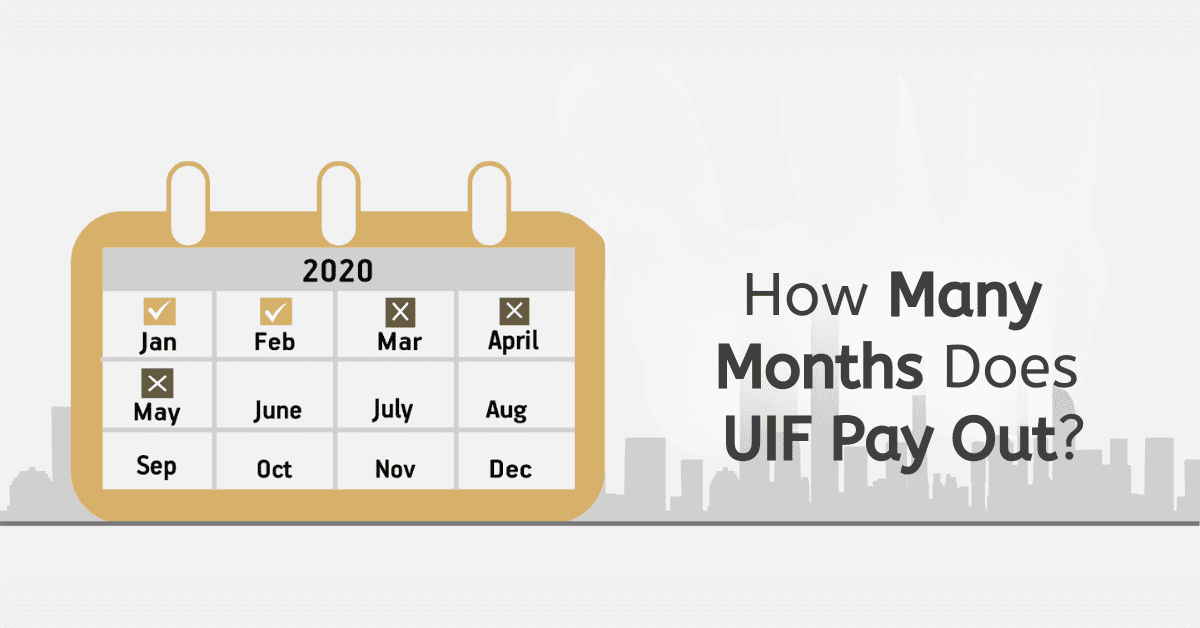
Yes, you can apply for UIF as soon as you retire. UIF benefits are paid for 12 months, so it is a good idea to start the application process when your retirement date is approaching. You need to apply within six months from the date when your retirement takes effect. This can only be possible when you have sufficient credits on the system to apply for benefits.
If you retire early, below 60 years, you will not qualify for UIF benefits. According to UIF requirements, early retirement is considered a voluntary resignation from your job. People who leave their jobs voluntarily will forfeit their benefits. Therefore, make sure you reach the appropriate retirement age and submit your application early.
What Documents Do I Need to Claim UIF?
You need to gather specific documents to lodge a UIF claim. You need to provide six copies of your payslips, ID, and bank statement. You must request the UI-19 form from your employer and make sure they sign and stamp it. Without this document, your application will be declined.
Other documents, such as the U12-8, U12-10, U12-11, and U12.7 are supplied at the UIF office. You must complete all the relevant sections on each form. You can ask the UIF official at your local branch for assistance.
How to Apply for UIF After Retirement
To apply for UIF after retirement, you must get the UI-19 form from your employer. Complete the form and make sure your employer signs and stamps it. You also need to get a copy of your ID, bank statement, payslips, U12-8, U12-10, U12-11, and U12.7 forms which are supplied at the UIF.
When you have gathered all the necessary documents, take them to your nearest department of labour. As per UIF requirements, you should register as a job seeker, but there is no way you can look for another job when you reach the company’s retirement age. All you should avoid is retiring early to qualify for the benefits.
Therefore, when you submit your application for UIF benefits after retirement, you should ask the official about everything you may want to know. The process is different from other forms of UIF requests where the registered member can seek employment again. You must be patient because the entire process can take time.
How Does UIF Work When You Retire?
If you are looking forward to retirement when you reach your pension age, you must start preparing how you can make a UIF claim. As long as you have been contributing to the fund during employment, you are entitled to apply for benefits. However, you need to ensure that you have enough credits in the system to qualify for the UIF benefits.
Retirement comes when you reach the legal age of 60 years or you leave your job due to ill health. If you are forced to go on retirement due to poor health, it means that you cannot work again. To qualify for UIF benefits, your claim must be accompanied by a medical report.
In most cases, your medical practitioner will advise you to retire when you are suffering from a serious illness. This is one of the causes that can make you go on pension at an early age. However, you can apply for UIF benefits if you have all the medical reports and other documentation to support your claim.
When you finally reach retirement age, you will no longer be eligible to continue working. Therefore, you must go home and rest. When you have been contributing 2% to UIF every month, you must focus on how to claim the benefits when you finally retire. All members who contribute to the fund are entitled to claim funds when they go on pension.
However, the only aspect that will not allow you to claim UIF is when you go on early retirement. You are not eligible to make any claims if you retire below the age of 60 years as stipulated by UIF unless your retirement was caused by ill health. The process of filing a UIF claim can be daunting, so you must be proactive to avoid frustrations.
One important thing you should know about UIF is that it is not a pension fund. You can only get the money that you have been contributing to UIF during your employment. The payments are spread over twelve months. Once you exhaust your funds, you must not expect to continue getting benefits from UIF. It will no longer be possible to apply for benefits when UIF does not owe you anything. The only option you can consider if you want financial assistance in your retirement is to apply for SASSA grants like the Old Pension grant.
All registered UIF members who contribute every month to the fund are entitled to claim benefits upon reaching retirement age. You must meet all the requirements to qualify for benefits. If you retire below 60 years, you will not be eligible for benefits since this is considered voluntary retirement.