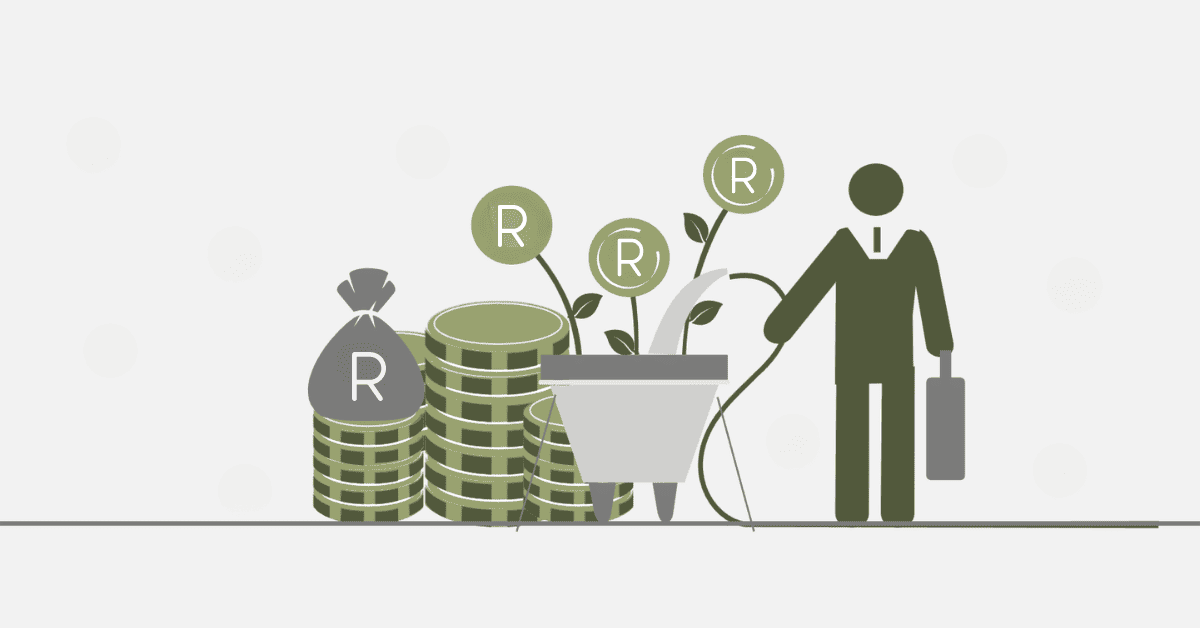
Do you want a monetary safe life? Or do you wish to build up your wealth? If yes, then investing is the step towards that. South Africa offers diverse investment instruments so that you may address specific financial goals with particular risk appetites. Knowing how much to begin venturing with is pivotal for both novice and established capitalists alike.
Contrary to what is believed, it doesn’t take much to start. There are so many venturing options that allow you to start with very minimal capital, therefore being within everybody’s reach. This article looks into the minimum cash required, the options available, and how you can get started in SA.
How Much Is Enough to Get Started?
This will depend on the kind of venture that one chooses to engage in. It can be as low as R300 a month in some cases, mostly Tax-Free Savings Accounts and Exchange Traded Funds. These options would work well for one who wants their feet wet in the investment waters but prefers not to tie up a considerable amount. For example, with a TFSA, one can invest up to R36,000 per annum without the returns being taxed. It thus becomes an efficient way of growing your wealth without taxation. Examples include unit trusts, which offer various funds with different risk profiles and where one can start with small amounts in investments.
In contrast, direct investment in stocks may be more expensive. Opening a stockbroking account will require some minimum investment to buy shares. This can generally range from R1,000 to R5,000; sometimes, it is different from broker to broker and what specific shares one wants to buy. Property investment typically requires a large upfront capital outlay, usually requiring a considerable deposit and the need for financing. Therefore, the minimum capital to start venturing depends on your goals and where you want to invest.
What is the Minimum Number of Shares I Can Buy?
In buying Johannesburg Stock Exchange shares, the minimum quantity of shares you are allowed to purchase will be determined by the price of the share configured against the stipulations made with your stockbroker. There is usually no specific guaranteed minimum quantity of shares since most brokers set a minimum trade value, which is generally around R1000 or R2000. Depending on the cost at which you buy them, you could get a few highly-priced shares or many low-cost ones. Some of these brokers do provide fractional ownership, enabling you to purchase high-priced stocks for lower amounts. This becomes quite useful, even for the new investor who is looking to diversify a portfolio without requiring much capital.
Associated with some investment platforms is the added advantage of allowing low-cost monthly contributions whereby one is gradually accumulating shares rather than affording to buy into one share at current prices. Another critical thing to keep in mind is the transaction fees that will increase your cost. These usually come in the form of a percentage of the trading value. Typically, a minimum charge applies to small trades. Knowing how your broker’s fees are structured is pivotal. It ensures that your investment remains cost-effective.
Where to Invest
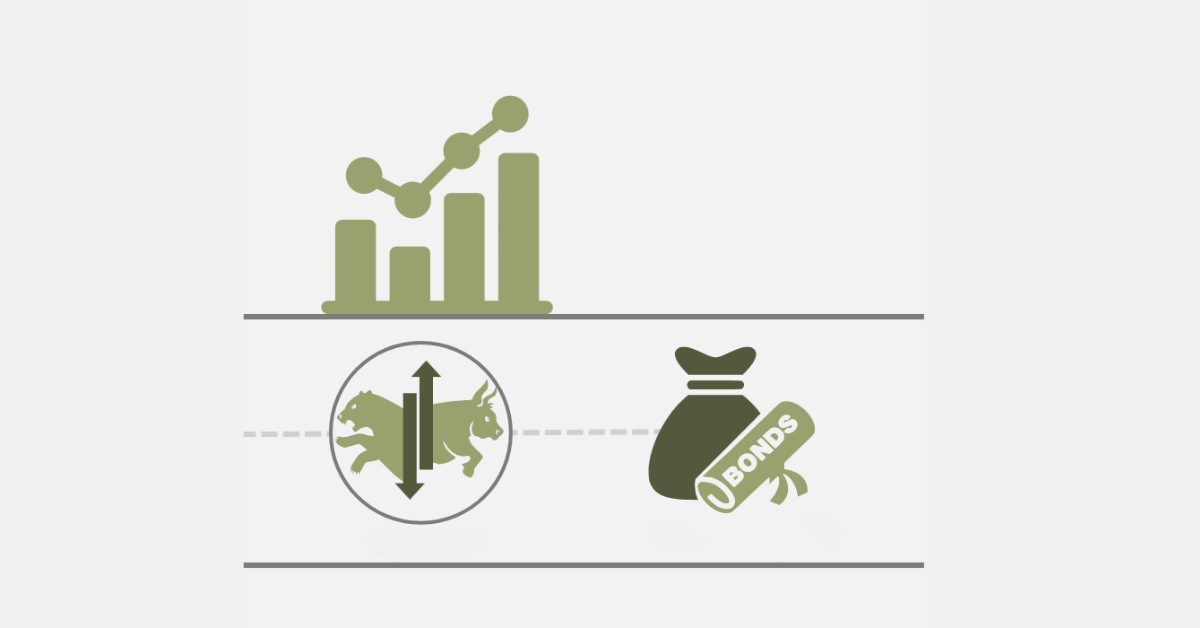
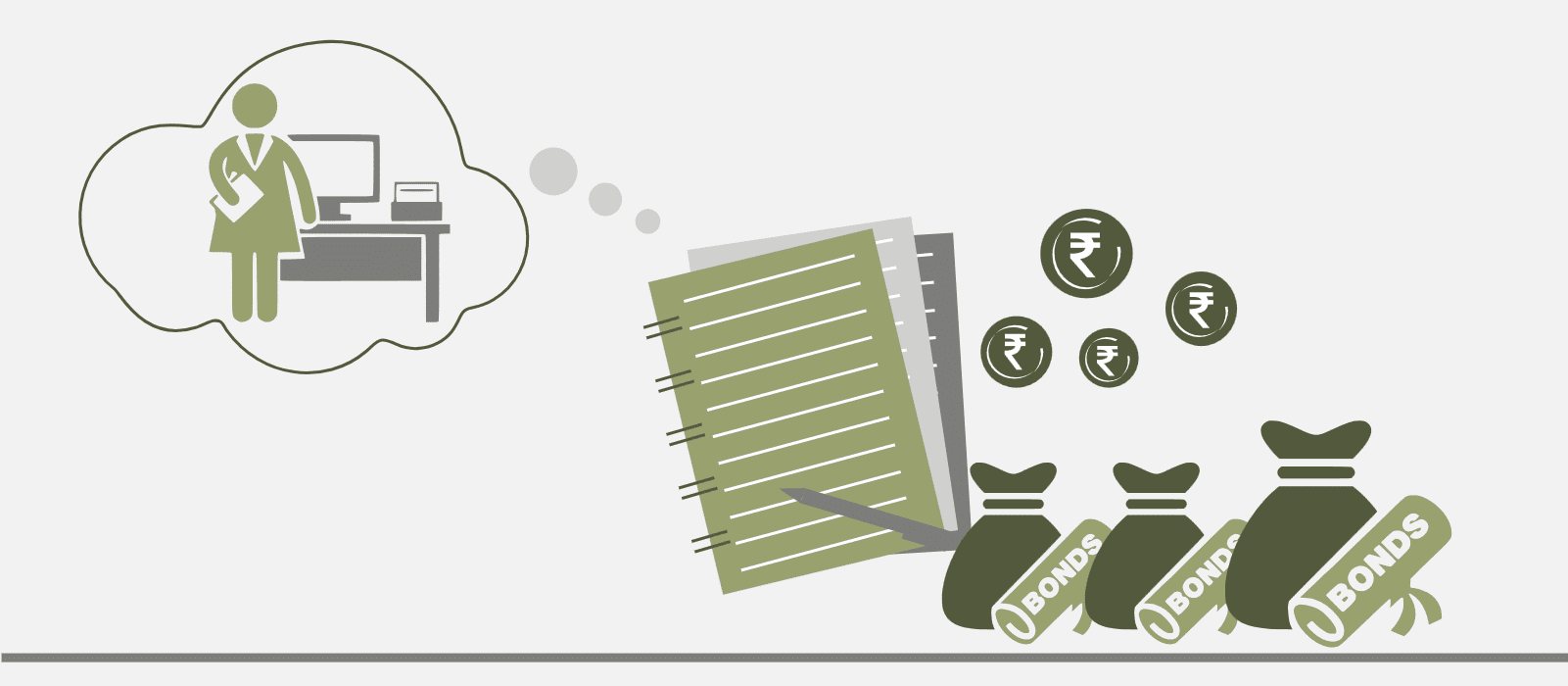
South Africa has a whole array of investment products that cater to a broad spectrum in terms of risk and financial goals. TFSAs and RSA Retail Savings Bonds offer excellent avenues for investment from a conservative investor’s point of view. TFSAs allow one to invest as much as R36 000 per annum, returns of which are entirely tax-free; they, therefore, fit into long-term savings. RSA Retail Savings Bonds are other cases. These bonds come with government backing and fixed interest rates that make them very secure in their investment, with low risk.
For the moderate risk with a potential for higher returns, ETFs and unit trusts are some of the popular choices. The ETFs are based on different indices that track market performance and harness low-cost, diversified investments, making them quite suitable for any investor, whether a newcomer or an established one.
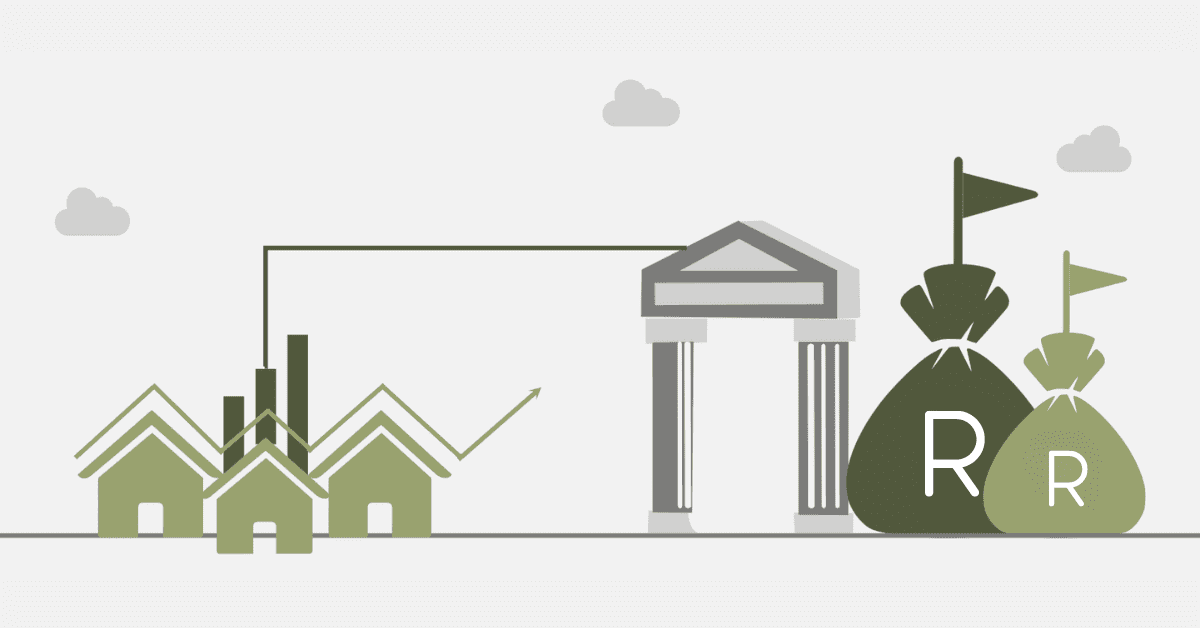
Unit trusts pool your cash with other capitalists to invest in a portfolio of various assets managed by pros. If you are prepared to take on a higher level of risk, you can venture directly into shares through a stockbroking account. You may invest directly in individual companies, which, as a result, will offer more potent possibilities of more significant returns. At the same time, this increase in volatility has to be factored in. Property investment comes last; it is always the preserve of those who enjoy the luxury of having substantial funds to deploy, for it not only provides rental income that should rise over time but also long-term capital growth.
How Should a Beginner Start Investing?
First-timers in South Africa really do not need to sweat much over their maiden investment decision if a few steps crucial to the process are followed. Defining your financial goals is the very first step toward getting started: what you are saving for, whether retirement, a down payment on your house, or just amassing wealth. After defining your goals, consider how much of a risk you are willing and able to take on.
If you are really risk-averse, start with the absolute safest, TFSAs or government bonds. These have stable, low-risk returns. Then you need to look at your time horizon—how much time you intend to let it sit in there before using the money. If the goals are short, then low-risk means of investing are a must; however, long-term ones could be risk-takers—for example, stocks or ETFs would do.
Finally, you need to know how to invest. There are many excellent resources online, from sites related to personal finance and investment blogs to platforms offering insights and valuable tools to help facilitate decisions. Make sure that you start with an amount of money that does not burn a hole in your wallet; this reduces pressure on your choices and can be lost while learning through experience. Then, diversify in such a way that the risk gets spread across different assets, sectors, or even geographical regions. This way, the underperformance of one investment gets compensated for by the better performance of some other one, providing a balanced and resilient portfolio.
Final Thoughts
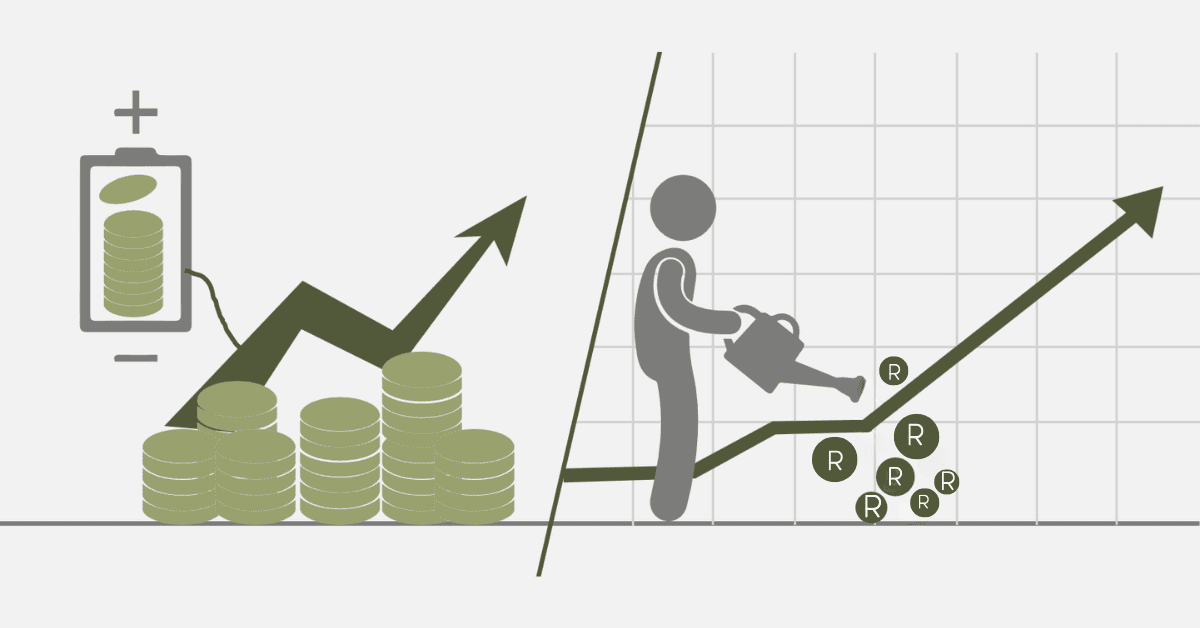
Starting to invest money in South Africa requires less cash than planning and learning. Once you understand your financial goals, the level of risk you can handle, and the available investment avenues, you will have no problem starting investing with confidence. Whether you jump into the market with a small amount in a TFSA or eventually step up and consider more complex investment options, such as equities or real estate, the key is to start as soon as possible and then persevere. By so doing, your investments will have some chance of increasing in value with time and flesh out your targets for financial security and independence.

![What are ETF [Exchange-Traded Funds]?](https://www.searche.co.za/wp-content/uploads/etf.webp)