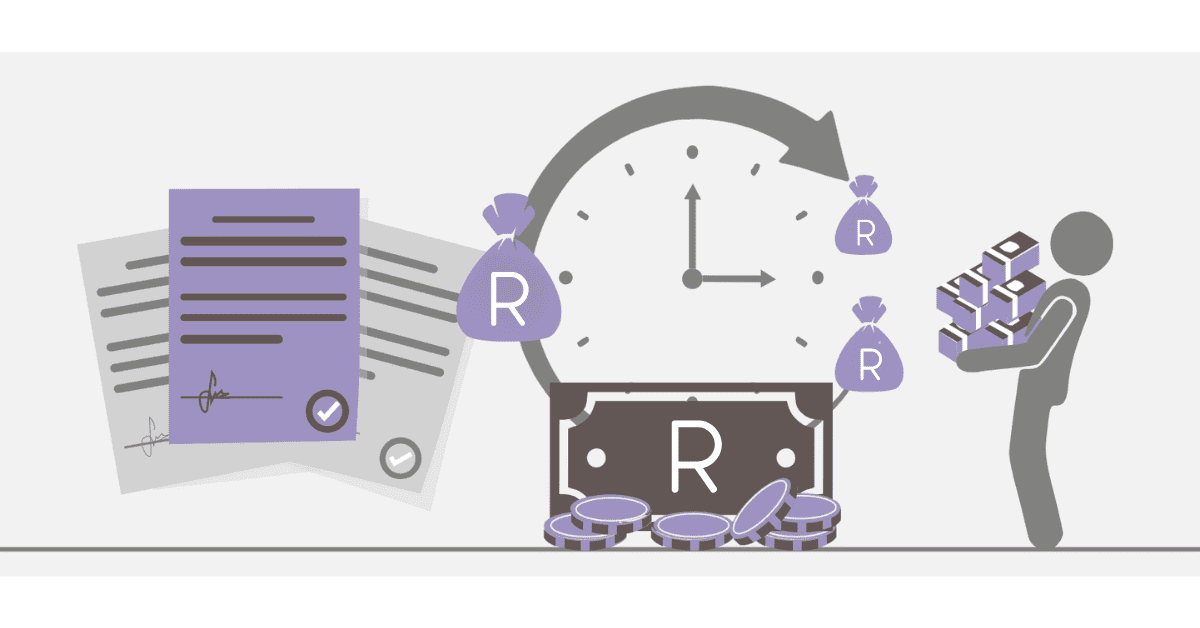
The Unemployment Insurance Fund (UIF) is a South African government initiative aiming to provide short-term financial relief to employees. Employees registered for UIF and who contribute to the fund can apply for benefits if they become unemployed or cannot work due to maternity leave, illness, or death. In the event of the death of the breadwinner, the dependants can claim benefits. This article explains how UIF works, its advantages, and everything you may need to know about this fund.
How Does UIF Contribution Work?
All domestic and commercial employees who work for more than 24 hours per month are required by the law to register for the UIF. All registered members pay monthly contributions to the fund. UIF becomes handy when someone becomes unemployed, and cannot work due to illness, maternity leave, adoption, or parental leave. It provides temporary financial relief to all members who have been making monthly contributions to the fund during their employment. UIF also offers relief to the beneficiaries of the deceased contributor.
UIF is governed by two pieces of legislation that include the Unemployment Insurance Act, 2001 (the UI Act) and the Unemployment Insurance Contributions Act, 2002 (the UIC Act). These acts guide the collection of contributions and disbursement of benefits to the contributors.
Each employer needs to register their employees for UIF. They must also deduct some money from each employee, which is paid to UIF as a monthly contribution. All the people who make contributions to UIF are eligible to claim benefits from their contributions due to the reasons outlined above.
Benefits of Contributing to UIF
There are several advantages you can get from contributing to UIF. The five major benefits you can claim from UIF include unemployment, maternity leave, illness, adoption, and death of the contributor. UIF provides financial assistance to workers who become unemployed as a result of retrenchment, termination of the contract, and other involuntary causes.
An employee who has been paying contributions to UIF for the past four years can claim benefits when they lose their job. Such individuals can get 12 months of benefits depending on their contributions. Additionally, you must register as a job seeker to qualify for the UIF benefits. This means UIF can look for a suitable job for you, so you do not remain unemployed, surviving on temporary benefits.
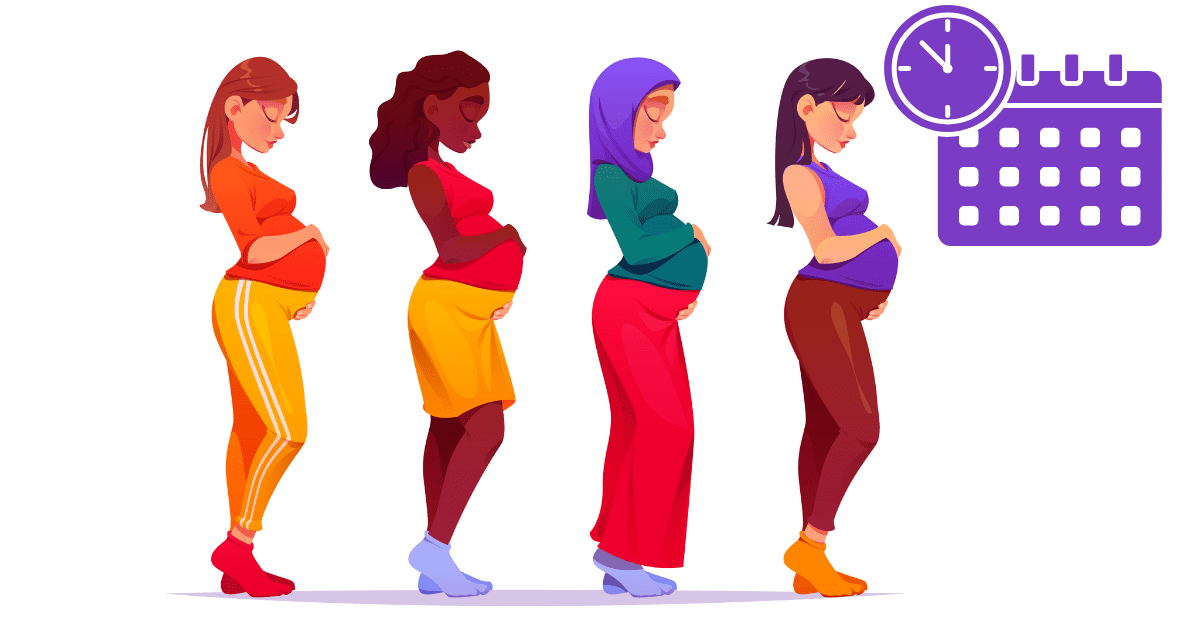
When you go on maternity leave, you will get benefits for four months. Even if you experience a miscarriage or stillbirth in your third trimester, you qualify to get benefits for 121 days. When you go on maternity leave, you will get reduced or no salary, and this is where UIF benefits come in handy.
If you are ill for more than two weeks and cannot go to work, you can apply for UIF benefits to get financial relief. However, if the illness incapacitates you, such that you are no longer able to work, you will not continue getting UIF benefits. The same applies to claims for adoption benefits. They apply for a short period and then cease.
If the breadwinner who contributed to UIF dies, the beneficiaries can claim the benefits. Although the money comes as a once-off payment, the survivors will get some financial relief.
Are UIF Contributions Tax Deductible?
One good thing about UIF contributions is that they are not taxable. They are not subject to tax deductions, so you will get all the benefits entitled to you. The UIF contributions do not affect the Pay As You Earn (PAYE) tax. In other words, UIF does not affect taxable income calculations.
What Percentage Do You Get From UIF?
To know the percentage you should get from UIF, it is essential to calculate your daily remuneration. For instance, if you earn R5000, you should multiply it by 12 (months in a year) and divide it by 365 (days in a year).
R5000 x 12 = R60 000
60 000 ÷ 365 = R164.38
In this case, R164.38 is the money you earn per day. The highest percentage you can get is 58 %. If you earn R164.38, you qualify to get 58% which means you will get R95.34 as your daily benefits. At this rate, it means you will get benefits of R2 860 per month. Those who get the highest percentage are the ones with lower incomes. When you earn a higher monthly income that exceeds the ceiling of R17 712, you will get a lower percentage from UIF.
It is crucial to note that the benefits you will get from UIF depend on the duration you have contributed to the fund. For instance, if you contribute to UIF for more than four years, you will be entitled to 12 months’ benefit. If you contribute for a shorter period, the credits you accumulate determine the benefits you will get. For every five days you work, you will accumulate one credit.
Female contributors get a fixed rate of 66% for maternity benefits. These benefits are paid for 121 days, and the same applies to people who experience stillbirth or miscarriage. Therefore, the figure you get for maternity benefits depends on your earnings and monthly contributions.
Who Should Contribute to UIF?
Someone working more than 24 hours per month as a domestic or commercial employee should contribute to the UIF. An employee contributes 1%, and the employer 1% to make the total contribution of 2%. The money is deducted from the employee’s gross salary every month. These monthly contributions are determined by the employee’s salary and are subject to a cap of R17 712.
How Long Do You Have to Contribute to UIF Before You Can Claim?
To be eligible for UIF benefits, the contributor must be employed for at least 13 weeks before they file a claim. If you have been contributing for about four years or more, you can get paid for up to 238 days. Those who contribute for a shorter period can claim one day for every six days worked.
What you should know is that the benefits you get only include the money you contribute. UIF will pay a percentage of the salary you got while contributing to the fund. The highest percentage paid is 58, depending on your earnings.
The Unemployment Insurance Fund acts as a safety net to provide financial relief to employees who cannot work due to different reasons. For instance, if you can no longer work due to retrenchment or other forms of involuntary unemployment, illness, maternity leave, or adoption, you can claim UIF benefits. Regarding the death of the UIF contributor, the beneficiaries are eligible to claim benefits.