If you want to take control of your financial health, then understanding the complex dynamics of your credit score and how it changes with time is crucial. Part of this means knowing when and how the credit bureaus will update your credit score to reflect new changes in your credit usage. Today, we will look deeper into this often ill-defined and fuzzy aspect of credit scores.
When do the Credit Bureaus Update Credit Scores?
Credit bureaus in South Africa typically update credit scores on a monthly basis. Technically, at least! More on that in a moment. These updates are part of their regular reporting cycle and aim to give the most up-to-date overview of your credit profile possible. Remember, how on track you are with regular payments is one of the factors that influence your credit score, so accurate, timely reporting is key.
That said, also keep in mind that each financial institution works with favored credit bureaus, and may be slower to update those they don’t use regularly. Additionally, there are often delays in processing information, so you may see slower reporting than you’d expect. This is part of the reason that credit scores often differ slightly between platforms and bureaus. Don’t worry- eventually, all credit bureaus will pick up the same information and update your score accordingly!
On What Day of the Month Do Credit Scores Update?
What day of the month credit scores update at which bureau is rarely revealed to the public, so it is impossible to know exactly when a specific change will be reported to a specific bureau. Especially given the possible reporting delays between different bureaus we looked at above.
Typically, however, financial institutions will send through data for the previous month in the first week of the following month, and most bureaus will have updated their reports by the middle of the month.
This unpredictability and lag is one of the key reasons that people should monitor their credit report with at least one bureau monthly, so you can both figure out when new information typically shows and make sure you are tracking the broader strokes of your credit history over time.
How Do You Find Out When Your Credit Score Will Update?
While credit bureaus may not explicitly disclose the exact date of credit score updates, there are several ways to stay on top of the general timing of these updates. The best approach is to monitor your credit report regularly through reputable credit monitoring services (ClearScore and Kudough) or directly through the websites of the major credit bureaus, such as TransUnion, Experian, or Compuscan. These platforms provide alerts or notifications when changes occur in your credit report, including updates.
Additionally, you can proactively reach out to credit bureaus or financial institutions to inquire about the typical timing of their credit score updates. Customer service representatives should be able to provide you with general guidelines as to when to expect changes based on their internal processes and timelines.
How Much Can Your Credit Score Go Up in a Month?
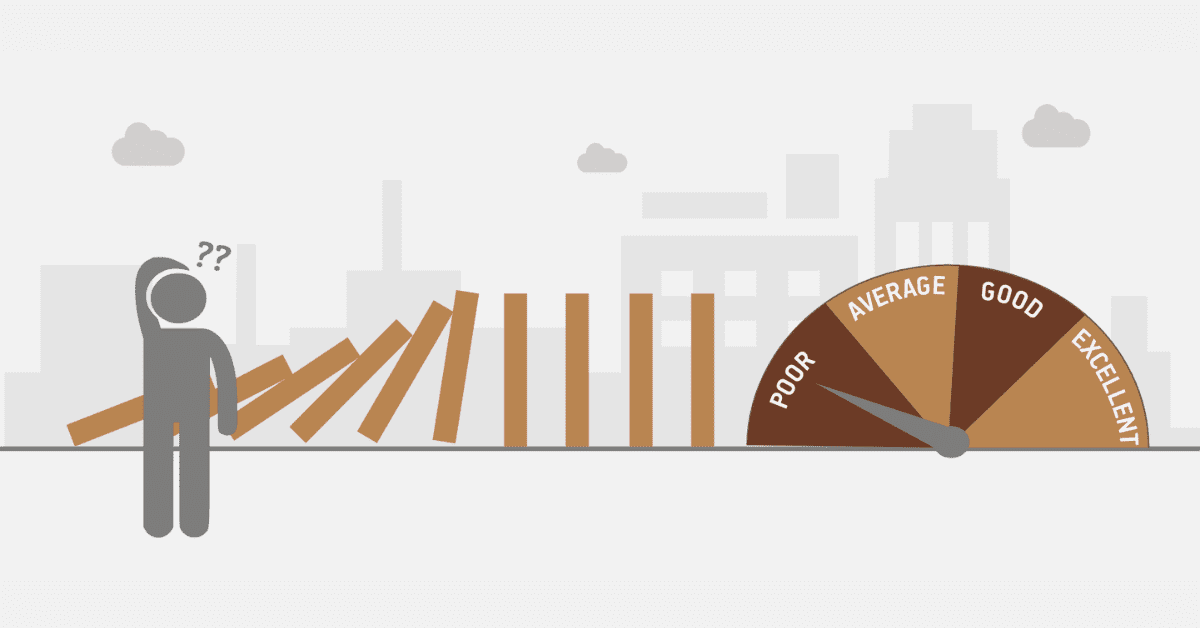
How much your credit score can go up in a month is highly dependent on a complex set of factors. There is no one fixed amount by which they can rise. While some people do experience massive jumps in a short period, however, this is far from the norm and often has to do with settling a particularly large or credit score-damaging debt on your profile. On average, it will only move up (or down) by a few points each month, and it typically takes at least 6 months to a year to rehabilitate a poor credit score- often much longer.
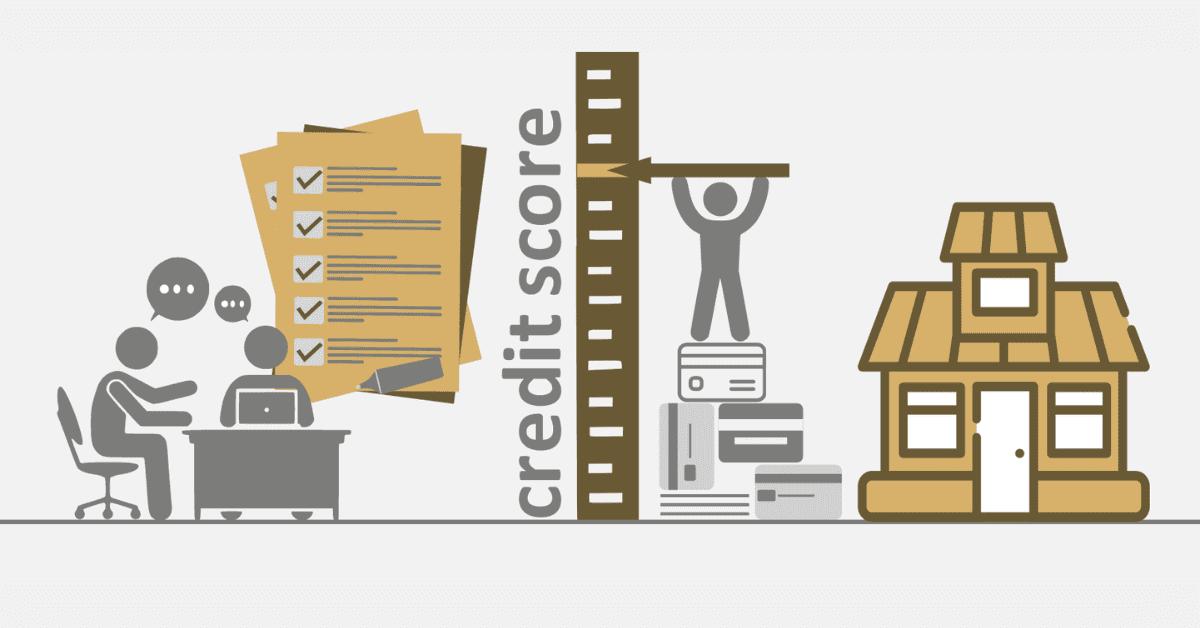
However, there is a lot you can do to keep that score moving upwards. For instance, consistently making on-time payments on your credit accounts, reducing credit card balances, and diversifying your credit mix by (responsibly) managing different types of credit (e.g., loans and credit cards) can contribute to gradual but steady improvements in your credit score over time. Conversely, late payments, high levels of debt utilization, and derogatory marks such as collections or bankruptcies will pull your score down.
Many of us are guilty of only thinking of our credit score when we need to apply for new credit. Instead, try to take the long-term perspective, focusing on positive credit behavior and good financial habits within your budget. Most great credit scores aren’t built from a magical quick jump upwards! They are made slowly and steadily over time with continuous good credit management.
Taking control of your credit score can be a little complex, especially if you are starting in the red. Ensuring you are more informed about how credit scores work, including when the bureaus update your information, is a critical first step in the process. From there, you can take charge of your credit history, and start working on improving or rehabilitating your credit score for a healthy credit profile.