You may have heard about retrenchment within the working population, but you have no idea what it entails or how it relates to UIF.
It is important to understand certain terminologies, especially those that are related to your welfare, and a clear example is retrenching.
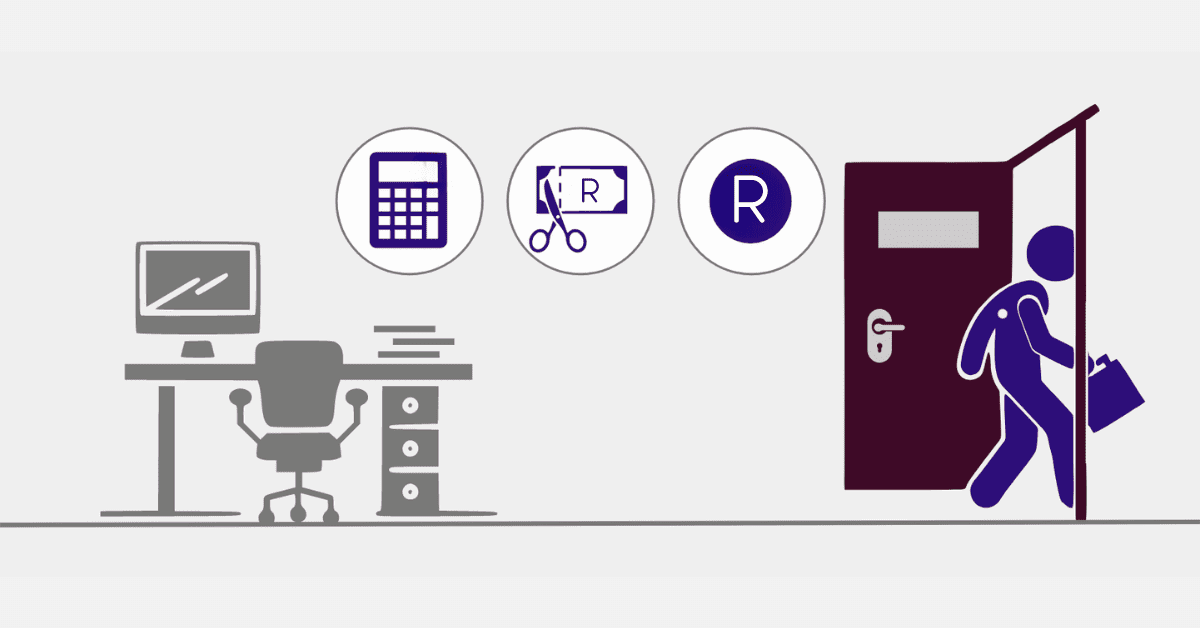
So in simple terms, retrenchment happens when a company, firm, organization, or institution lays off workers due to unfortunate circumstances but mostly related to cost reduction. This happens when a company cannot retain its employees and must lay some of them off; this is known as retrenchment.
While we may have mentioned retrenchment, the focus of this blog post is on UIF retrenchment and how you can apply for UIF benefits if you are retrenched.
There are so many things that go into UIF claims for retrenchment, some of which include the required documents and many more.
In this section, we will take you through UIF retrenchment, how to make claims, the documents needed, the period involved in the benefits payment, etc.
What UIF Forms Are Needed When Getting Retrenched?
Retrenchment can be a heartbreaking moment for many workers as this could be unexpected. It is important to stay calm and re-plan your life when the news hits you.
The UIF form that is needed is provided by UIF to capture your details when applying for claims.
When retrenched, you need the UIF form UI-19. This is available at the Department of Labour website and can also be picked up at any of the labour centres in South Africa.
What documents do I need to claim UIF when retrenched?
If you are facing retrenchment from your company, you may qualify to claim unemployment benefits from UIF. This is considered as the retrenchment benefits.
It is necessary to know that you need some documents to make claims for retrenchment UIF benefits. Here are the documents you need to claim UIF when retrenched;
- Your South African Identification documents (passport or ID card)
- UI-19 form
- UI-2.8 – banking details form
- UI-2.7 – completed by your employer
- Payslip or salary schedule
- Proof of registration as a job seeker
- A declaration to confirm if your banking details have changed using the UI 6A Form
How do I apply for UIF if I am retrenched?
Workers who are familiar with online access can apply for UIF if retrenched online. This is also another method to put in your application when retrenched.
- To apply for UIF when retrenched, kindly visit this site https://ufiling.labour.gov.za/uif/
- Once the homepage opens, proceed to login in with your credentials
- Once logged in, select your UIF benefit category, which is retrenchment.
- Complete the requirements and attach all necessary document
- Click submit to send your details when done
- This will issue your details to the officer in charge of your UIF account to proceed with the next action, which is approval and then payment.
Individuals unfamiliar with the UIF process can walk to the labour office within their vicinity. You can request your retrenchment claim form to fill out.
Ensure to submit the required documents, which will serve as proof and speed up the process of your claims.
How many months does UIF pay after retrenchment?
Once your retrenchment has been confirmed, you are obliged to put in your claim application within 12 months of your termination. These are the timelines given by UIF to all workers who may find themselves in this situation.
Now looking at the number of months UIF may pay you after retrenchment, it boils down to the length of your contribution and the amount contributed. Although it is universal for individuals to make claims after being retrenchment, provided they qualify for the claims; it can also reduce your capped amount.
Individuals who are retrenched can receive payments from UIF up to 12 months after their termination.