The process of applying to the National Student Financial Aid Scheme for help with your first tertiary education opportunity can seem like a long and difficult one. However, it’s just a matter of logically following all the steps through the application process and ensuring you respond as they need you to. Many people find the ‘provisionally funded’ status on their application a confusing one- but it’s actually good news for you! Today we will walk you through everything you need to know about this NSFAS status and what’s needed from you when you see it.
What Is Provisionally Funded (NSFAS)?
‘Provisionally funded’ is one of the statuses NSFAS may use during your application process. This means that your financial aid application is approved for funding based on the information you have provided, but there’s still something required before the funding can be released and your application finalized.
Typically this isn’t something you will need to take action on, however. It most often pops up when they are awaiting proof of registration or other data from your institution. It could also mean that they will fund you based on the information on your application form but are still verifying data like your income and bank account, which can take several days or weeks.
If the information they receive back matches with your application form, you will then be funded by NSFAS, so ‘provisionally funded’ is a great middle step towards achieving your educational goals and not a status to worry unduly about. If, however, they discover an error or fraudulent claims, you may be rejected outright or asked to re-submit relevant documents- don’t take it as the final word on the matter. If, however, you have been honest and ensured that you comply with all their criteria, good news should be on the way.
While you usually don’t have to do anything about the ‘provisionally funded’ status, it is worth checking on your application via the ‘track funding progress’ tab on myNSFAS in case they require something for you. It should be clearly stated if so.
How Do You Know When NSFAS Has Funded You?
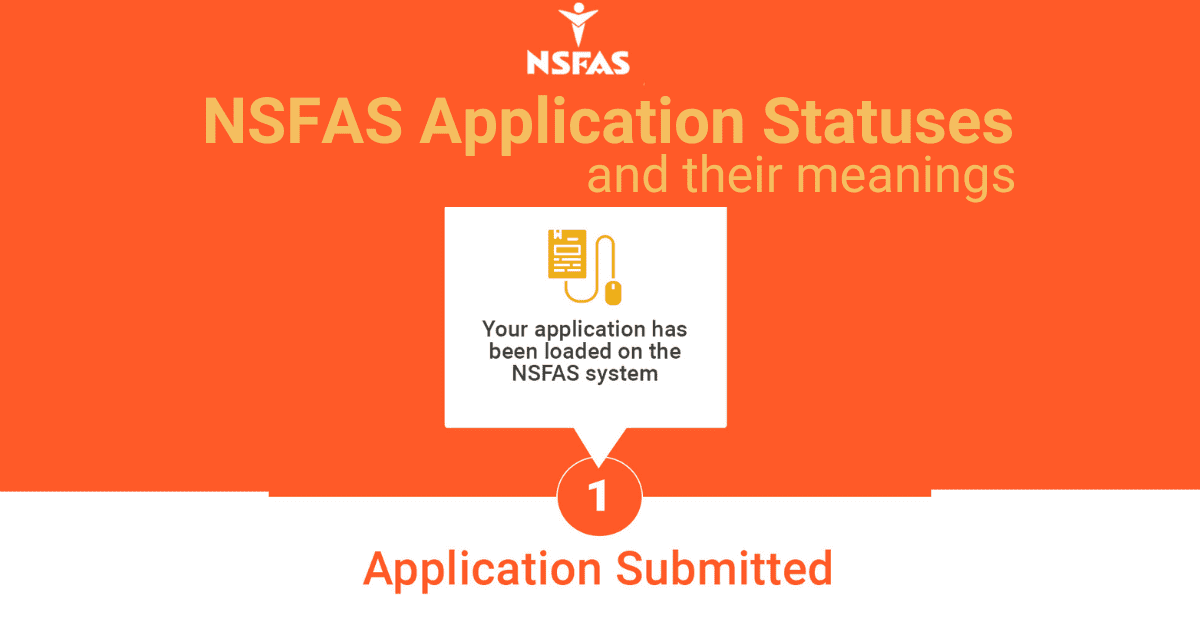
You can check the status of your NSFAS application and see if NSFAS has funded you by logging in to the myNSFAS portal. You will head to the ‘track funding progress’ tab to see exactly what is happening with your application.
While ‘provisionally funded’ means everything is looking good, but further information needs to come in before your funding is finalized, ‘application approved’ means payment will soon be released to cover your studies. ‘Application unsuccessful’ indicates you have been rejected, although you may be able to appeal this. They will also indicate issues like missing documents
How Long Does It Take For NSFAS To Release Funds?
The time it takes for NSFAS to release funds can vary substantially, depending on the responsiveness of third parties (banks, your tertiary education institution, the Department of Home Affairs, etc) and how busy NSFAS is. However, NSFAS advises that you reach out to them if your status has been at ‘approved’ for longer than 2 weeks without the funding being received.
On average, the entire process takes a few weeks up to a month- but remember that this will be much longer the closer you are to the closing date. Unfortunately, neither NSFAS nor you can do anything about the response time of outside institutions, so this simply has to be waited out. This is why it is important for you to start the application process as early as possible to ensure you don’t miss any deadlines due to these third-party delays.
How Much Is NSFAS Allowance For 2026 Per Month?
The exact NSFAS allowance you will receive in 2026 depends on where you are registered and your specific circumstances. Here are some basics:
TVET students typically receive a R6,000 living allowance, a R3,045 personal care allowance, and an accommodation allowance per annum of between R45,000- R54,045, depending on their accommodation type. If you live within 10km of the college, this alters to a R7,875 travel allowance, and students in res may not receive the smaller living allowance, just the higher annual accommodation amount.
University students typically receive an additional learning materials allowance of R5,460, annual accommodation allowances between R45,000-R60,750 depending on accommodation type and a living allowance of R16,500 per annum that may be taken from the accommodation allowance pool. If you live at home, you will not receive an accommodation allowance.
Because the NSFAS allowances for 2026 vary so much by personal circumstances, it’s a great idea to verify what you are entitled to with NSFAS itself before you make any plans.
Hopefully, you now understand more about the NSFAS funding process, as well as the allowances included in your annual funding.