Regarding second-hand cars, Value Added Tax can influence buyers and sellers, adding an important dimension to the transaction. This detailed guide will delve into various aspects concerning Value Added Tax on second-hand vehicles in South Africa. You can expect insights on how VAT is applied to these vehicles, the dynamics of the Value Added Tax system in their sale, the tax implications of selling a car in South Africa, and the feasibility of claiming VAT on a second-hand car.
How is VAT Charged on Second-Hand Vehicles?
Applying VAT on South African second-hand vehicles involves a percentage charge based on the selling price. Let’s explore the process:
- Selling Price Incorporation: Sellers usually factor in the Value Added Tariff within the selling price of the second-hand car. This means the price negotiated or advertised for the vehicle already contains the 15% VAT. Consequently, the purchaser is accountable for covering this sum during the acquisition.
- Value Added Tariff Collection: Sellers of pre-owned vehicles must collect the Value Added Tariff from the purchaser during the transaction. This sum corresponds to 15% of the mutually agreed selling price.
- Remittance to Tariff Authority: After collecting the Value Added Tariff from the buyer, the seller is responsible for submitting this amount to the South African Revenue Service. The seller must guarantee the prompt remittance of the collected Valued Added Tariff to the tax authority, adhering to the South Africa tax protocols.
- Tariff Invoice Issuance: As an integral part of the Value Added Tariff process, sellers must furnish the buyers with the requisite tax invoices. These invoices detail the VAT amount, among other transaction information, ensuring transparency and adherence to tax laws.
- Input Tax Deductions: Registered VAT vendors, including businesses and dealers involved in selling second-hand vehicles, can often claim Input Tax Deductions on their VAT returns. This allows them to offset the VAT they have paid on purchases and expenses related to their business operations, thereby reducing their overall VAT liability.
- VAT Rate and Regulations: Sellers need to be well-informed about the prevailing VAT rate and related regulations in South Africa. These regulations may change, and sellers must comply with current tax laws.
Is VAT Charged on Second-Hand Cars in South Africa?
Absolutely, VAT applies to South African second-hand automobiles. This tax is relevant to all vehicle transactions, regardless of whether they are new or used. Value Added Tariff is a consumption tax that covers the supply of goods, including vehicles, across the nation. When a used car is sold, the seller must include VAT in the selling price, and the purchaser assumes responsibility for this tax as part of the overall purchase cost.
How Does VAT Operate in the Sale of a South African Second-Hand Car?
When selling a South African used car, the selling price generally incorporates VAT, which the seller collects and submits to SARS. As a result, buyers pay the overall price, including the Value Added Tariff.
It’s worth noting that occasional sellers of second-hand cars might not always need to register for Value Added Tariff. However, dealers regularly involved in second-hand car sales are usually VAT-registered. These registered dealers charge Value Added Tariff on their sales, and buyers will find this amount integrated into the purchase price.
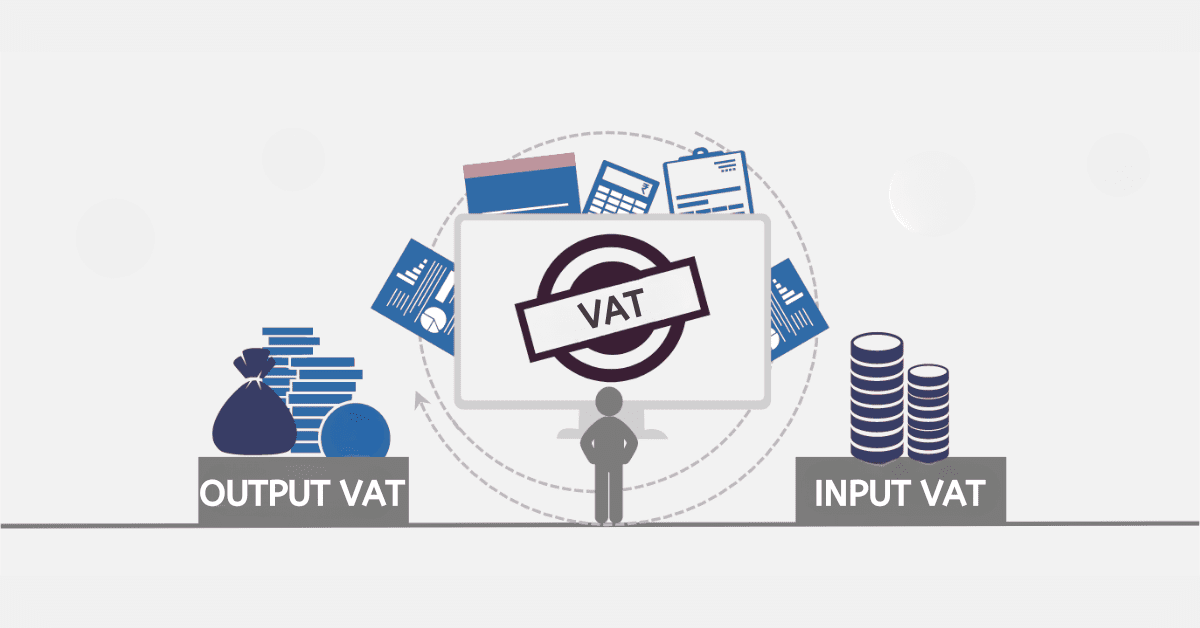
The VAT collected by the seller is referred to as “Output VAT,” which is paid to SARS. On the other side, buyers cannot claim Input VAT, as purchasing a second-hand vehicle is generally considered a final consumption transaction. This means buyers cannot deduct the VAT paid on the purchase from their liability.
Do You Pay Tax on Selling a Car in South Africa?
As previously explained, when selling a South African car, it’s essential to account for the Value Added Tariff in the selling price. The specific Valued Added Tariff amount to charge depends on the vehicle’s selling price. Remember, the responsibilities associated with the Valued Added Tariff collection represent just one aspect of the overall tax obligations for the seller. Sellers must also declare the VAT they have collected to the South African Revenue Service and pay it to the tax authorities. This process involves submitting regular VAT returns.
Also, as previously mentioned, sellers must issue the buyer a Valued Added Tariff invoice. This document is evidence of the transaction and is an essential record for both parties involved. Adhering to Value Added Tariff regulations and meeting tax obligations is vital when selling a car in South Africa to avoid potential penalties or legal implications.
Can You Claim VAT on a Second-Hand Vehicle?
Certainly, claiming VAT on a second-hand automobile is possible, depending on your Valued Added Tariff vendor status and the purchase context. Let’s go over some important aspects:
- VAT-Approved Vendor: For approved Value Added Tariff vendors like companies or dealerships procuring second-hand automobiles for operational purposes, it’s typically possible to claim an input tax deduction for the VAT paid during the purchase. This helps offset the VAT you have collected on your sales.
- Private Individuals: If you are a private individual buying a second-hand vehicle, you cannot claim VAT as an input tax deduction. VAT is an individual consumption tax, so you do not have the same VAT benefits as registered businesses.
- Notional VAT: A VAT vendor can sometimes claim an input tax deduction on second-hand goods purchased from a non-registered vendor. This concept is referred to as “Notional VAT.” Notional VAT allows businesses to claim VAT on purchases from non-VAT vendors, provided certain conditions are met.
- Exemptions and Special Cases: There are exemptions and special cases where VAT may not be claimable or have unique rules. It’s important to consult with a tax professional or review the specific VAT legislation for guidance.