Setting up a business in the first place is not easy, you have to keep your credit score at the top. But what happens if you have no idea about your credit score?
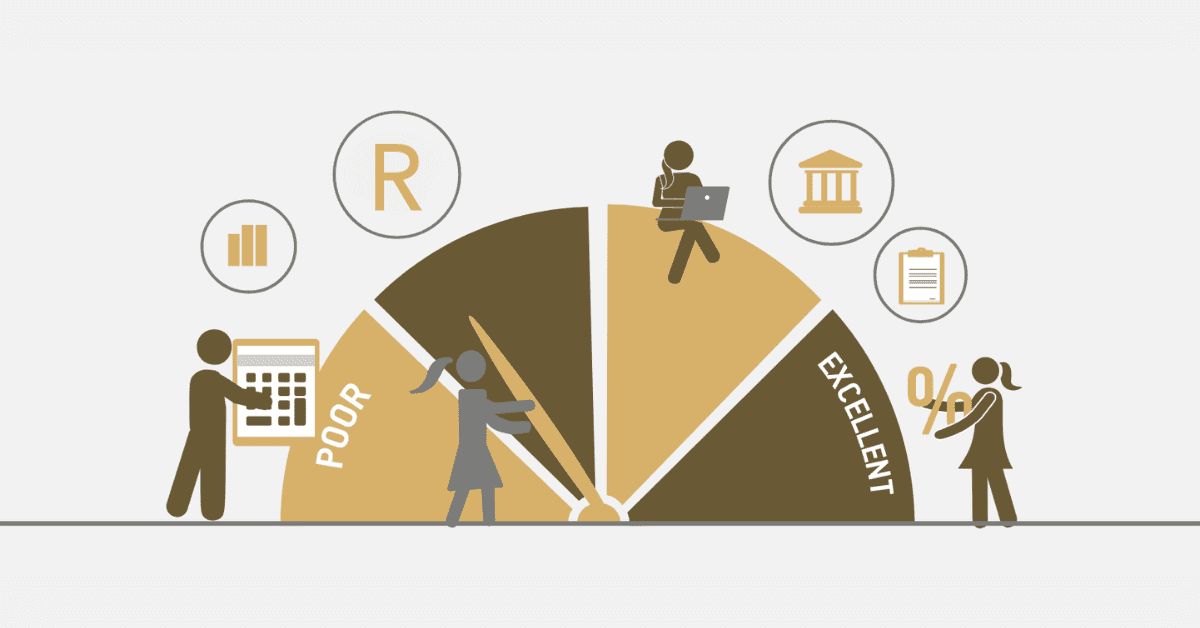
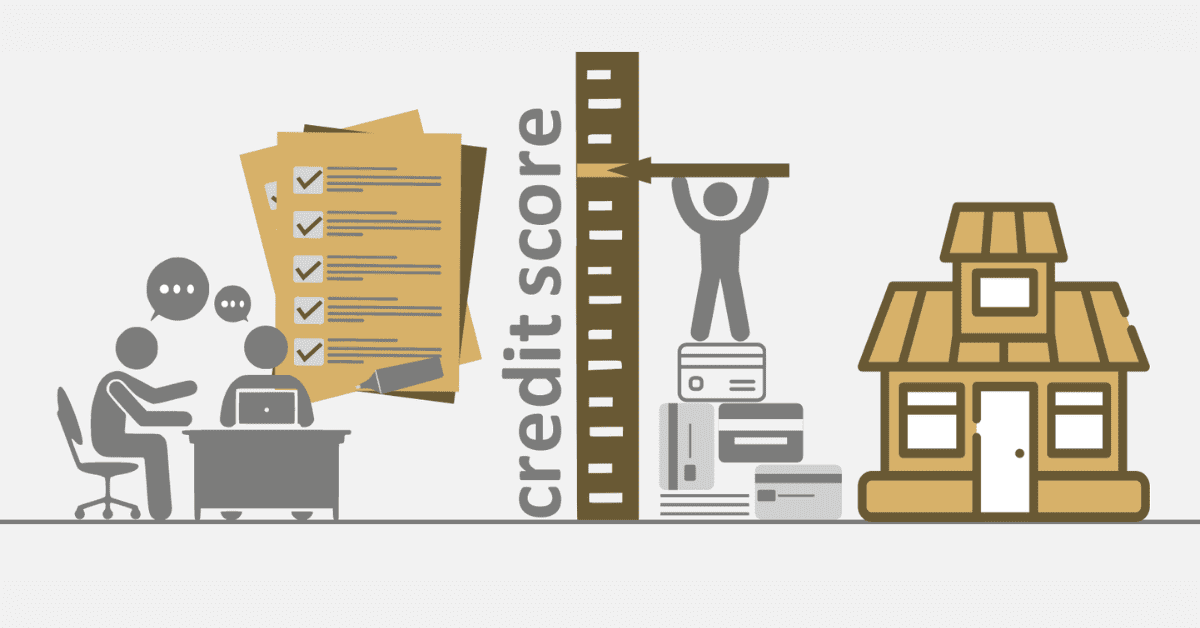
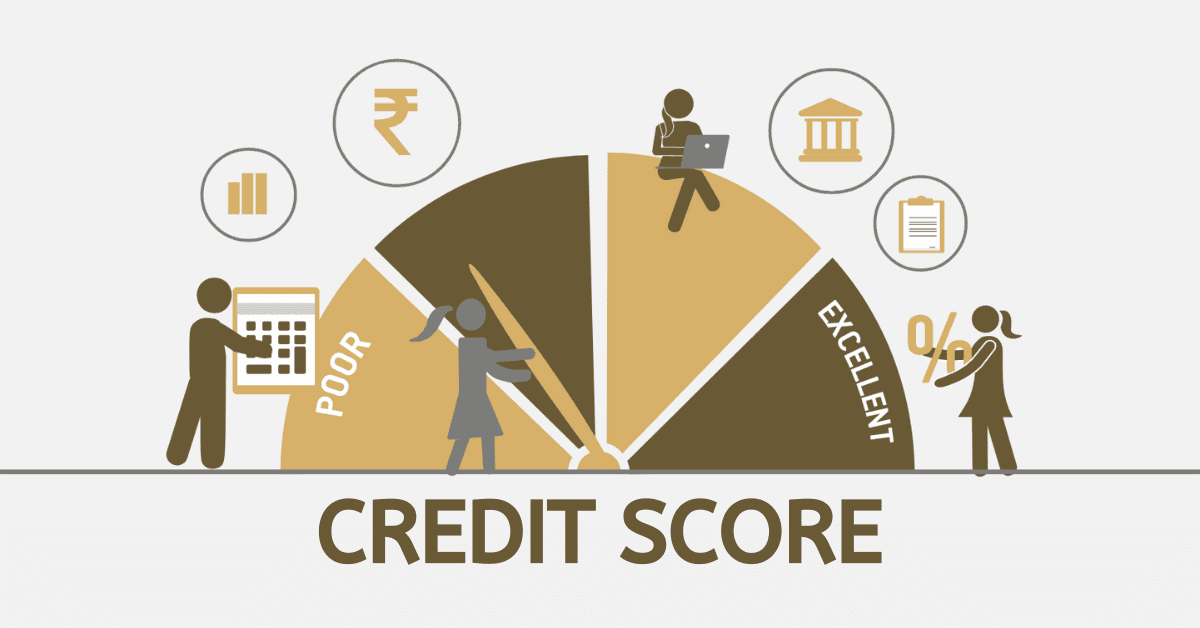
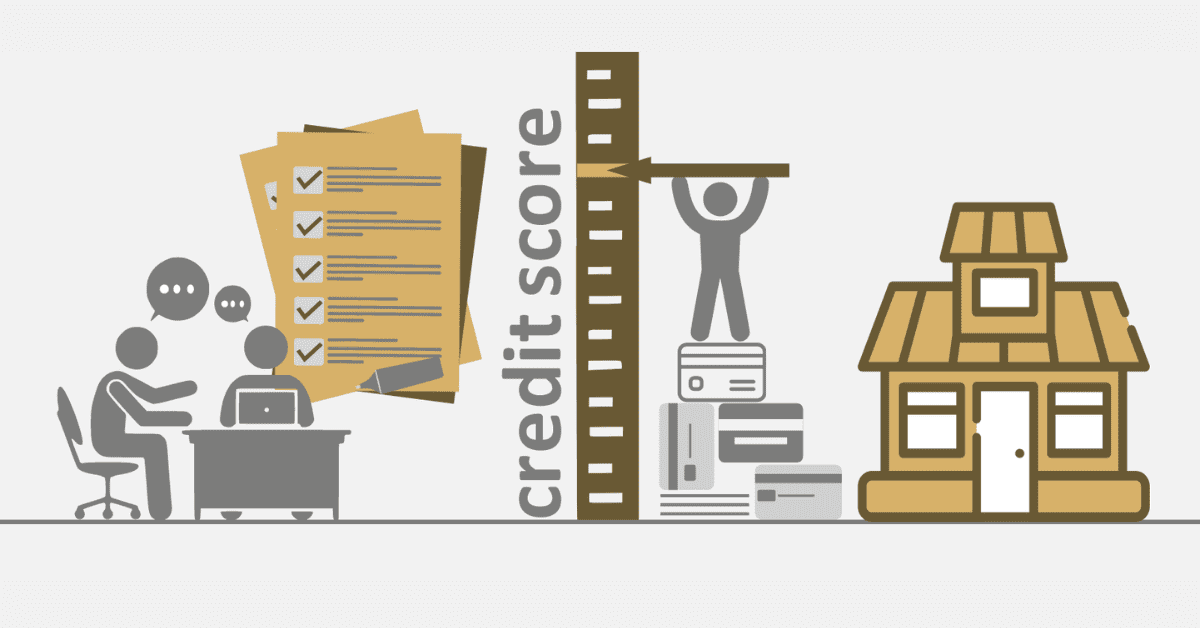
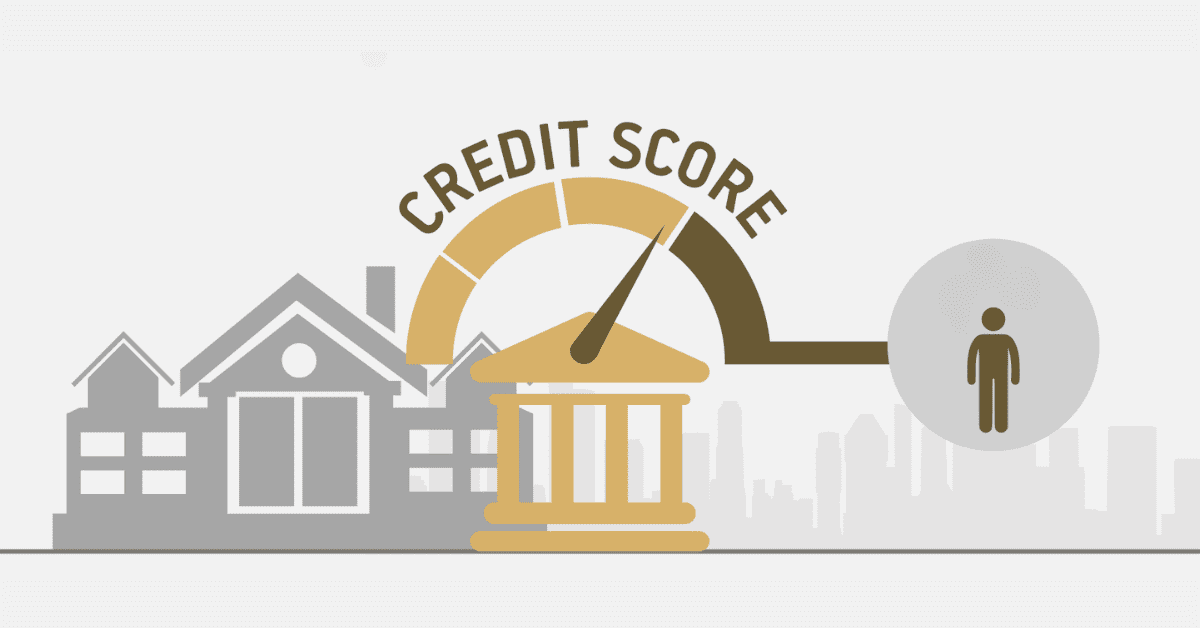
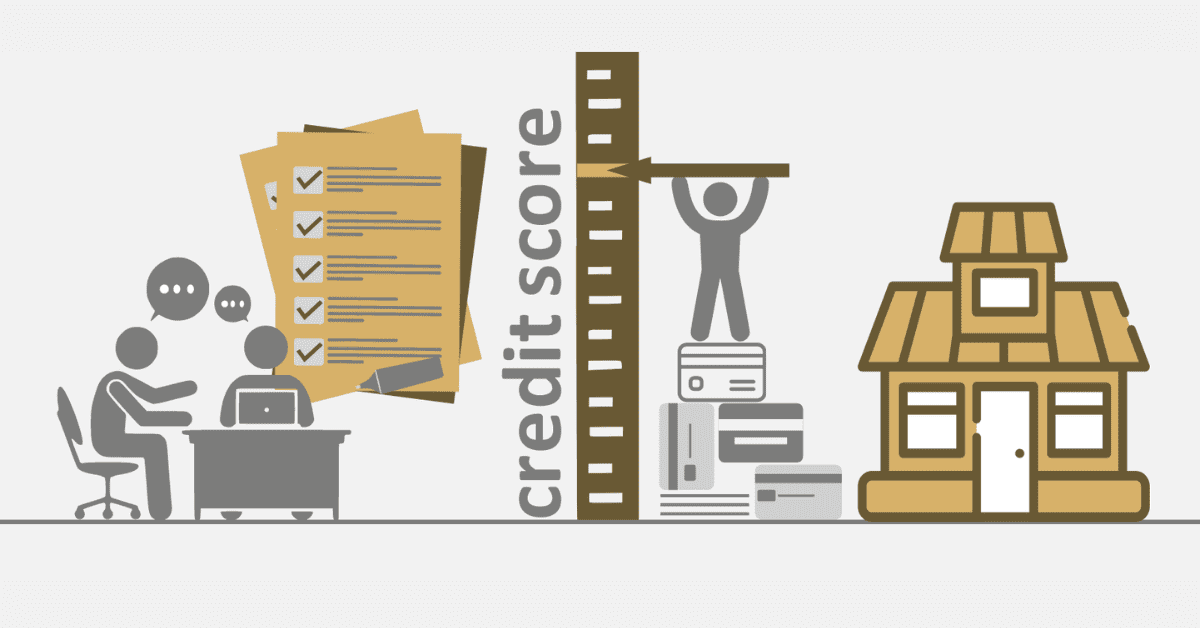
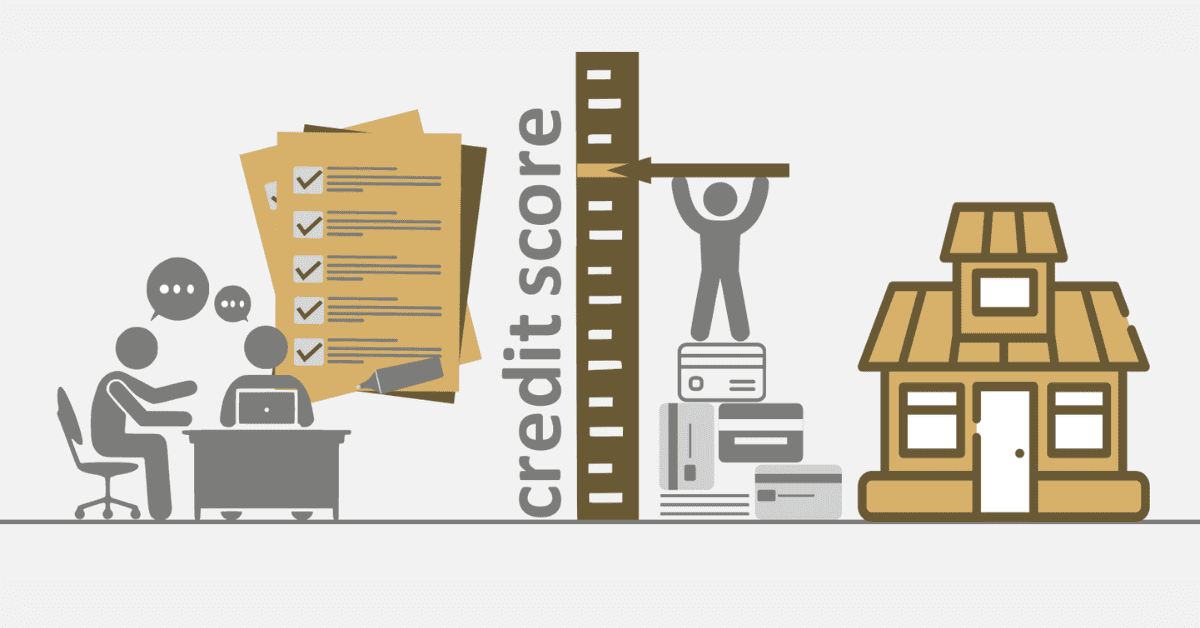
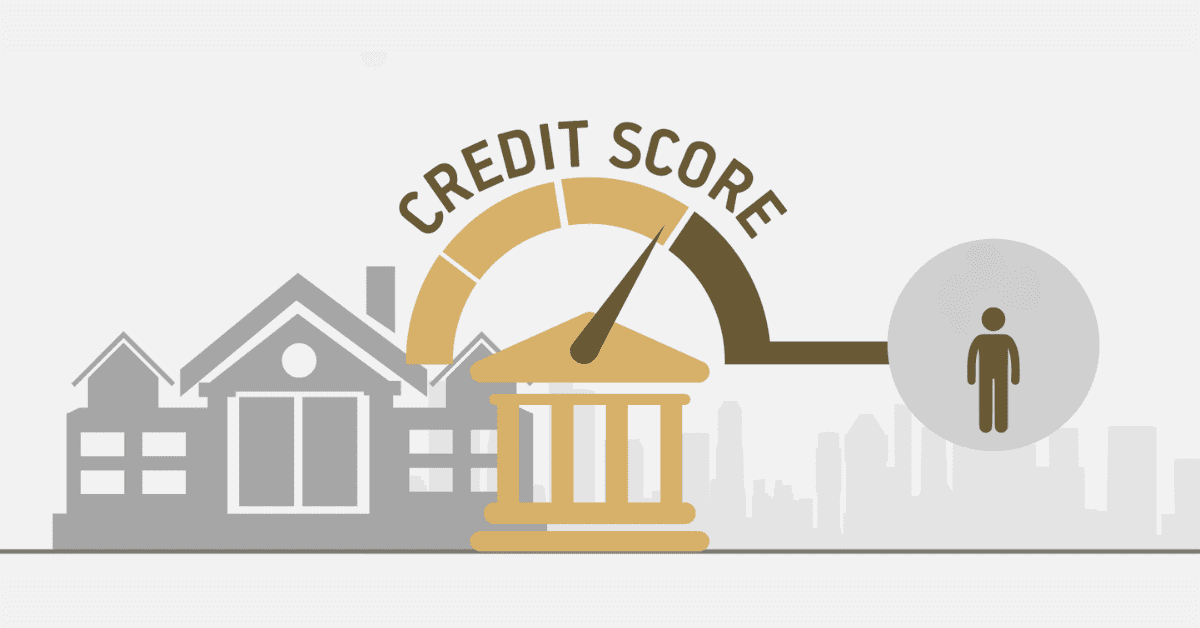
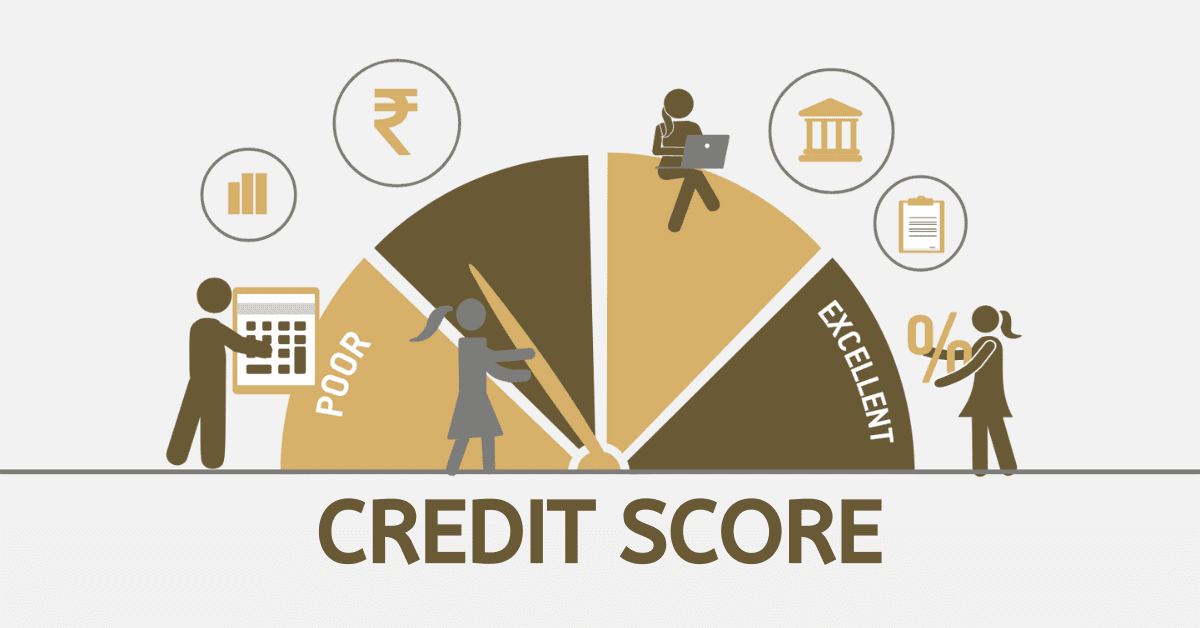
First and foremost credit score is a systematic representation of individual and business creditworthiness.
It is important to know a business’s credit score because it shows how financial discipline and stable its finances are. It checks how well a company can keep its financial promises and handle credit properly. Business credit scores are different from personal credit scores because they look at how a business handles money and uses credit, not a person’s credit history.
Credit reporting companies develop these scores by looking at things like payment history, amount of debt, how credit was used, and the length of credit history.
A good business credit score can help a company’s image and open up good financial opportunities, like getting capital, trade credit, and better financing terms.
At the end of this blog post, should you have a business you should be able to check your business credit with ease. You will be able to understand the dynamics of business credit scores in South Africa.
Does a business have a credit score South Africa?
Just as there are personal credit cards, businesses also have their credit card. It is certain that business also has their credit system however, their system differs from personal credit.
Remember that if the business is not registered and has not signed up for a credit account, it will not have a credit score.
A business credit score is a credit report that shows how likely it is that a business will pay back its loans on time and not go into default.
Lenders often use business credit scores to decide if a loan is available and how much interest to charge.
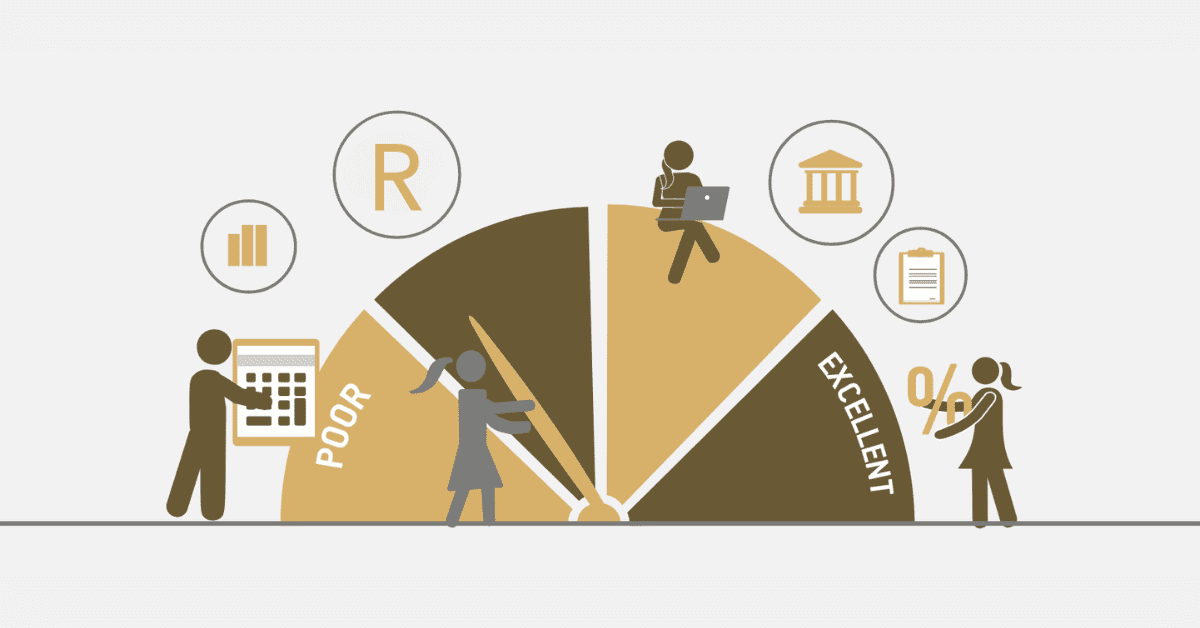
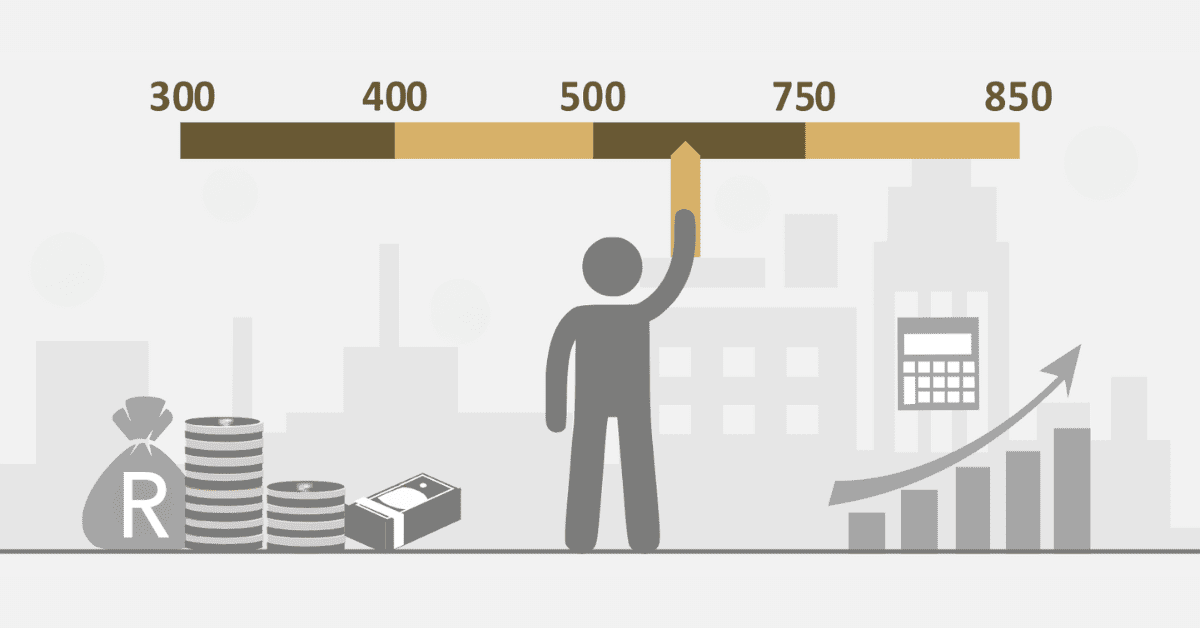
Business credit scores are based on a different scale than personal credit scores. They use a number from 1 to 100. If the number is higher, it means that the business is more creditworthy. Businesses may find that their credit scores make it harder to sign a lease or buy things from sellers on credit.
Your business credit score tells lenders how risky it is to give you money. These are the scores that the big credit bureaus, like Experian and Equifax, give you.
Banks, creditors, suppliers, and buyers all use your credit score to help them decide if they want to do business with you or not.
How do I check business credit score in South Africa?
- ADVERTISEMENT -
Before checking your business credit score ensure to know the URL platform by the credit reference agency. These institutions have their platforms set up to support business check their credit score and make their credit worth better.
If you want to check your business credit score in South Africa, log into your credit portal whether Transunion, Experian or the others.
View your profile and navigate to check your credit score.
Does business credit show up on your personal credit?
A common question for individuals with both personal and business credit. It is unrealistic to find your business credit showing up on your personal credit.
The templates and systems designed for business and personal credit are entirely different. However, some circumstances could have your business showing on your credit but depends on how the business was registered, transactions and guarantees.
How long does it take to get business credit score?
Getting a business credit score and improving it are entirely different things. The timeline for building your credit is different from getting a credit score.
The process usually takes six months for business owners who want to get their business credit score.
having this business credit score gives you ample time to build the confidence needed to run your business credit.
Does a business credit score affect your personal credit score?
Most of the time, your business credit score may not affect your personal credit score in South Africa. Credit records for businesses and individuals are usually kept separate and are kept up to date by different credit bureaus.
Still, there are times when it can be hard to tell the difference between personal and work finances, which could affect both scores.
One thing that could happen is that you, as the owner of the business, personally guarantee loans or credit for the company. When this happens, your personal credit could be hurt if the business does not pay its bills on time.
Additionally, using personal belongings as security for business loans could hurt your personal credit.
Plus, if you mix your personal and business funds, lenders might look at your personal creditworthiness when they judge the credit of the business. Unexpected things that happen to your business, like late payments or money problems, can have an effect on your personal credit score.