Crypto has gained significant momentum in SA as a new digital investment asset class. As more countries enjoy rising adoption rates, so are more and more South Africans venturing into the digital world of currencies with an underlying interest in portfolio diversification for monetary freedom. While it is a lucrative avenue, knowing the local regulations, platforms, and risks is pivotal. The following guide provides insights on full cryptocurrency ventures, considering South African investors’ interests.
How to Invest in Cryptocurrency in South Africa?
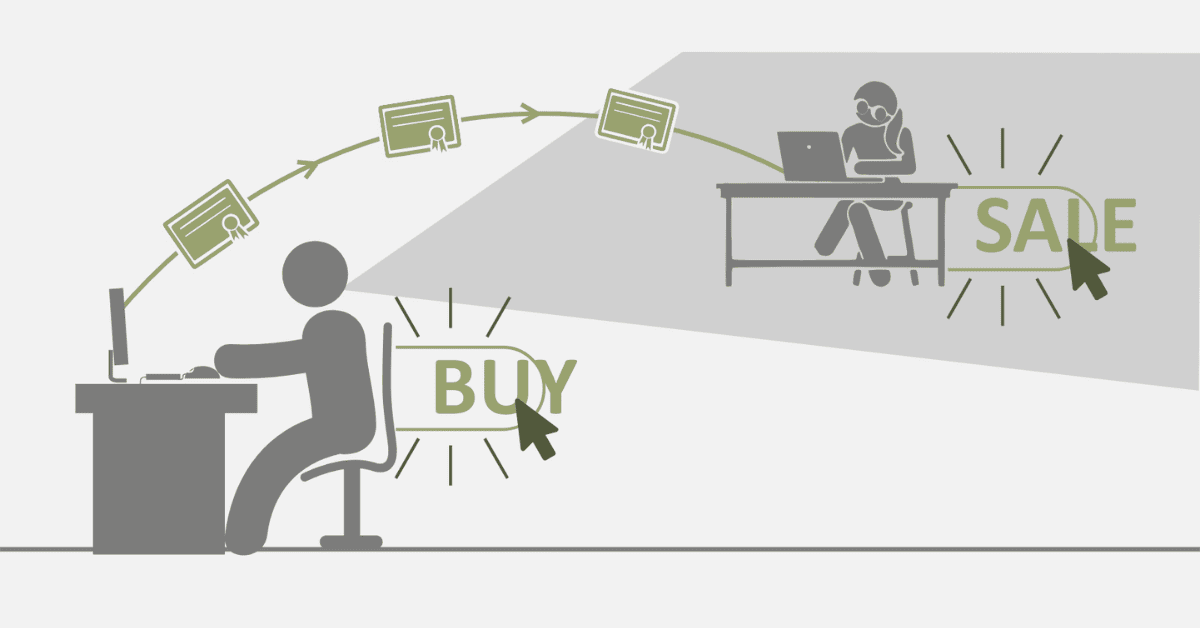
Crypto investing in SA is simple but requires understanding the digital assets and the platform you can bank on. This shall be a vital walkthrough on your journey:
- Choose a Cryptocurrency Exchange
Choose a medium to secure, sell, and store crypto. Some popular exchanges in SA include but are not limited to, Luno, VALR, and Binance. As stated above, most platforms support transactions with the ZAR and major virtual coins like Bitcoin, Ethereum, and Solana.
- Create and Verify Your Account
Open an account with any of your chosen exchanges. The SA exchanges are obliged to institute the FICA verification process, which includes uploading proof of identity and address.
- Deposit Funds
Proceed with this course to fund your exchange wallet with ZAR by linking a bank account or credit/debit card. Most of these sites also offer EFTs.
- Select a Cryptocurrency
Research and decide on the best coin for your venturing goals. You may invest in popular, more established currencies for some semblance of stability, such as Bitcoin or Ethereum, or you can look toward altcoins, which could offer potentially higher returns.
- Make the Purchase
Fill in the amount you want to invest and confirm your purchase. The money is subtracted from your ZAR wallet and appears in your account.
- Secure Your Investment
Transfer your cryptocurrency to a safer wallet, as many exchanges get hacked, even with hardware wallets.
Which Banks Allow You to Buy Crypto in South Africa?
Most banks in South Africa have approached this market with a cautious yet supportive approach to trading cryptocurrencies. No bank sells cryptocurrency themselves, but all banks allow their clients to pay into exchanges. Those involved include:
- Standard Bank
Standard Bank does not block any transaction involving any cryptocurrency exchanges, including the ones mentioned: Luno and VALR. The proactive stance underlines strong demand from clients looking for exposure to digital assets.
- ABSA
ABSA allows all crypto transactions but closely monitors them so that any regulations are observed.
- FNB First National Bank
FNB is rather vague with crypto payments; while it welcomes some exchanges, it sometimes puts kinks in the transactions to smaller platforms.
- Nedbank
Like other banks, it has a rigid AML policy but permits clients to make crypto-related payments from the account.
- Capitec
Capitec is one of the most sought-after means of trading cryptocurrency deposits and, in this regard, the most economical and user-friendly integrated into services such as Luno.
What’s a Reputable SA Company For Crypto Investment?
Considering the number of frauds affecting the crypto market nowadays, operating only with trusted companies is of utmost relevance. Herein are some of the good and more reliable places to deal with in SA:
- Luno
Luno is one of the most used crypto platforms in South Africa; it has an intuitive interface, makes ZAR deposits on its platform, and is a place where one will have a secure wallet for storing digital assets.
- VALR
VALR is a South African exchange that offers various options for different cryptocurrencies, other than its competitive fees. Advanced trading capability makes it workable for both beginners and experienced traders.
- Binance
Although it is based internationally, the extensive use of Binance offers options for high-volume and low-transaction-fee trading in South Africa.
- Revolut
Through Revolut, South African residents can easily trade crypto and use traditional banking.
- Ovex
Ovex is involved in crypto arbitrage and high-volume trade; hence, this company has attracted South Africans looking for new investment opportunities.
Is It Legal in SA to Buy Cryptos?
Yes, crypto in SA is legal; however, it is duly regulated.
- Legal Provision
SARB permits the mortgaging, holding, & trading of digital coins. Still, the cryptos are not legal tenders; hence, the government doesn’t protect them.
- Exchange Control Regulations
Investors can utilize their annual discretionary allowance of R1 million or foreign investment allowance of R10 million, which is allowed with clearance from SARS, to purchase cryptocurrency from international platforms.
- Taxation
SARS classifies cryptocurrency as an asset that precipitates tax obligations on the owner’s part, and any form of profit emanating from the trades mentioned above will come either in the form of capital gains or income, depending on the nature of the transactions.
- Consumer Protection
A warning to crypto capitalists: as much as the market is largely unregulated, this exposes users to scams and fraud. The FSCA has issued warnings regarding unauthorized digital asset schemes.
How Do I Cash Out My Crypto in South Africa?
Well, selling crypto for cash is relatively easy to do and can be done in a couple of ways in South Africa:
- Sell on a Crypto Exchange
You can sell cryptocurrency for ZAR using popular crypto exchanges such as Luno, VALR, or Binance. Choose the currency pair you need, say BTC/ZAR, and make the sale, after which you withdraw the cash into your bank account.
- P2P
P2P platforms will directly connect the buyer and the seller. This process may bring a better exchange rate, but one has to proceed with great care to avoid getting scammed.
- Crypto Debit Cards
Other exchanges, like Binance, do offer crypto-linked debit cards. These will permit users to spend directly or withdraw in the form of cash via ATMs.
- Converting into Stablecoins
One can convert volatile cryptocurrencies into USDT stablecoins before cashing out. This way, market fluctuations at withdrawal time will not affect your value.
- Taxes and Regulations
Transaction Fees: There are fees for trading and for withdrawal; the provider sets these.
Tax Compliance: Pay the capital gain or income tax liability thereof. SARS audits large or suspiciously irregular withdrawals.
Conclusion
While all these brilliant opportunities have opened their vista in South Africa, cryptocurrency investment needs meticulous planning and observance of rules and regulations. If locals know how to choose appropriate and reliable platforms, understand local banking and tax rules, and manage to get timely market trends, this dynamic investment environment will pay them handsomely. Indeed, there are risks, but diligent research, coupled with a long-term strategy, unlocks massive rewards with digital currency.