One of the excellent ways people look at increasing their wealth, which often goes hand in glove with sharing the success of businesses listed on the Johannesburg Stock Exchange, revolves around investing in stocks within the South African economy. This process is relatively easy and can be done with many trading platforms. With the digital age making investments more accessible, it’s now possible for anyone to make their way into the stock market with as little as a few hundred rands.
How To Purchase Stocks
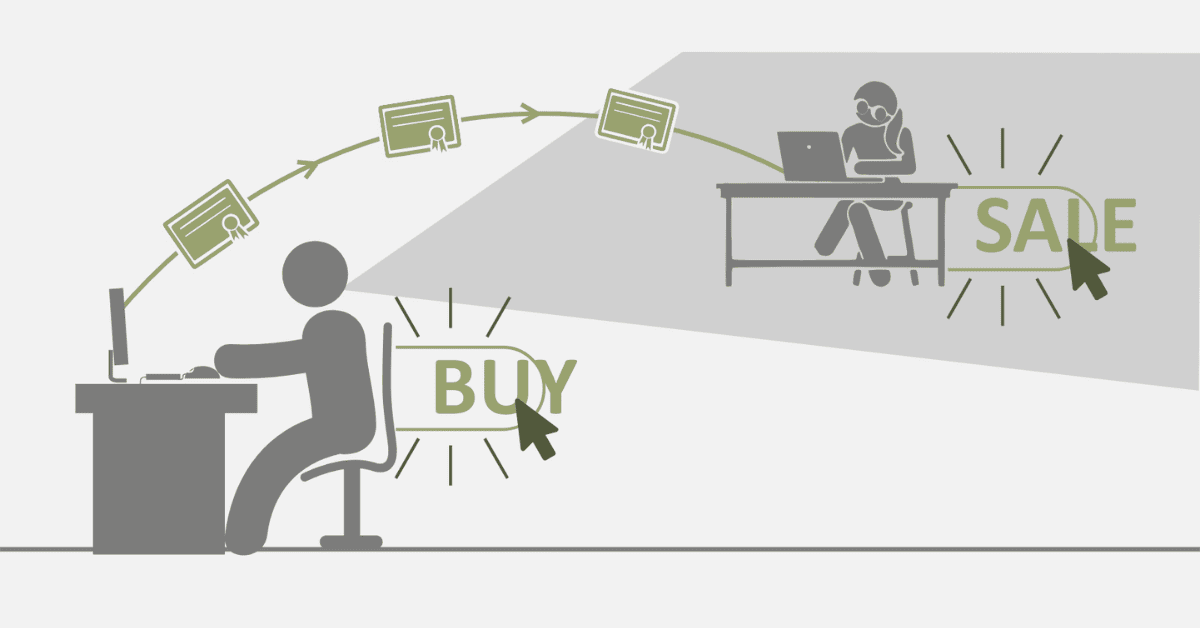
First, open a brokerage account. You get the right from this account to buy or sell your shares at the Johannesburg Stock Exchange. Most South African banks have brokerage services like Standard Bank and FNB or go through dedicated trading platforms like Admirals.
Next, deposit money in the account. However, remember to consider the lowest deposit requirements stated by the broker. Now, it’s time to start researching firms to venture into. Look for agencies with a strong track record, solid financials, and growth. Once you have a stock you like that matches up with your investing goals, you’ll want to submit a buy order with your broker.
Buy orders are different: there are market orders, which mean ‘buy at the current price of the stock,’ and there is a limit order, meaning buying only at the attainment of a specific price. When purchasing, your securities will be held in the brokerage account, and you can monitor the results afterward.
How Much Money Can a Person Make in Stocks Within a Month?
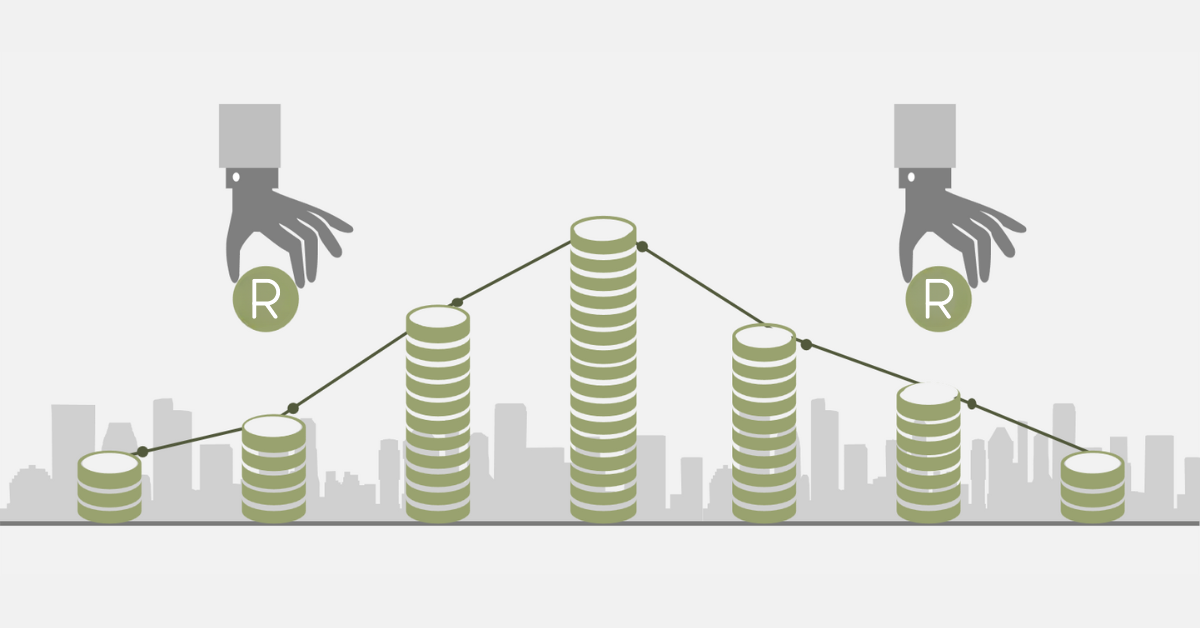
This will depend on the kind of stock, the market condition at any given time, and how much capital was put into it. Typically, stocks are seen as a long-term-oriented investment, but during a month, one might see fluctuations, though generally, it’s possible to view gains.
The stock trends flow upward and downward according to the economic trend, the performance of the company, and many other variables. An example is if someone starts investing in dividend-paying stocks, such as banks – the big South African ones, Standard Bank, or FirstRand – the dividends follow after some time, hence availing some source of passive income.
On the other hand, investment in high-growth companies may give more significant returns in the short run but is highly risky. A diversified portfolio typically can provide consistent returns if tolerated for an extended period; however, trying to achieve this monthly from the market is demanding.
What is the Best Stock to Buy Right Now in South Africa?
These are a few stocks that come to mind while considering the best stocks to invest in within South African shores, as they have significant financial positions and high growth prospects.
- BHP Group: It is among the big mining companies in the world, and at least as far as resources are available, it has proven to be one reliable company for investors in the BHP Group.
- British American Tobacco: This stock represents one of the best picks an investor may make in return for stability despite facing different regulatory challenges in most parts of the world.
- Anglo American: Another leader in the mining sector, Anglo American has all different minerals in its portfolio, making it an excellent choice for those interested in resources.
- Sasol: Chemically and energetically exposed, Sasol should benefit from increasing demand for both.
- Shoprite Holdings: Still at the helm of the fast-moving consumer goods segment of the South African economy, this retailing behemoth remains ahead.
- MTN Group: MTN is the undisputed leader of African telecommunications, and this stock represents one of the more attractive routes to exposure to the mobile networks, which are growing on the continent.
- Naspers: Major investments in internet companies, such as Tencent, place the company for massive growth in the tech space.
- AngloGold Ashanti: It provides a hedge against economic uncertainty since it is one of the Earth’s largest producers of gold.
How Do You Purchase Nasdaq Shares from South Africa?
Online trading platforms have made purchasing shares listed on the Nasdaq Stock Exchange from South Africa more effortless than ever. Opening a trading account through which he or she can invest outside the country is the first thing an investor needs to do. The popular online trading platforms used for such purposes include Admirals and Interactive Brokers. These enable South African investors to invest in practically all global markets, including Nasdaq.
After subscription on any brokerage platform, one will be required to deposit dollars- usually in US currency- into an account, which can be done by bank transfer or a currency exchange service provided by the platform. When money is deposited into the account, anyone can see the Nasdaq-listed stocks of giants such as Apple, Tesla, and Amazon. Place the purchase order, naming the number of shares you want and whether to make it a market or a limit order. This will deposit shares in your portfolio once the trade is executed.
What is the Best Trading Platform in South Africa?
They differ in so many ways in South Africa regarding investor requirements: from choices that offer access to both local and international markets, eventually down to low fees and usability interfaces; each has something different. Here are the best ones:
- Interactive Brokers: This broker has access to many global markets and is popular with advanced traders. Professional trading tools make it simply perfect for active investors.
- XTB: Known for its low-cost trading options, XTB has comprehensive trading tools that are ideal for investors seeking simplicity with advanced possibilities in one place.
- Webull: This platform is highly recommended for ease of use, and the mobile app offers commission-free trades.
- Alpaca Trading: Alpaca Trading might be relatively new in the market, but it has become famous for API-driven stock trading and thus best suits tech-savvy investors.
- Admirals: Admirals become a perfect option since they open a vast horizon for the trader, from stocks to forex and commodities, thanks to their complete offering, which is suitable for diversified portfolios.
How to Buy Stocks for Beginners
Although this might initially seem daunting for South African beginners into stock investments, the process is relatively straightforward once one has mastered the basics. First, select a legitimate, user-friendly platform; EasyEquities is usually recommended for starters. Second, learn the basics of stock investing, such as how stocks work, dividends, and diversification to reduce risk. Start your research with companies you already know and have some interest in, or consider ETFs for broader market exposure with much less risk.
When ready, put money into your brokerage account and invest a little to get your feet wet. It is considered wise to formalize investment goals, long-term growth, or income, to name a couple, and maintain consistency with your strategy. Never buy emotionally, but in contrast, sell with a focus on the long-term potential of your investments.