
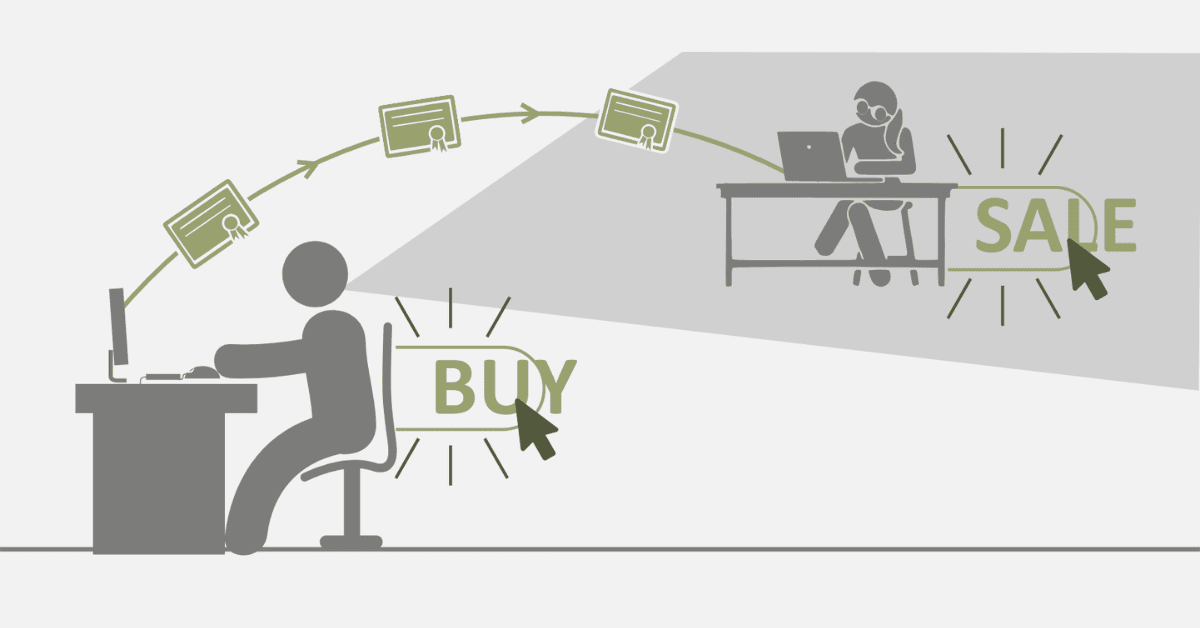
To become a stockbroker in South Africa, one has to have money sense, market knowledge, and compliance. The JSE, the most powerful stock market in the African region, offers profitable chances to sell securities. A stockbroker performs the transaction between the seller and buyer and invests on their behalf. The individual must be good at analyzing, have extensive market knowledge, and make sound decisions under stressful conditions.
How to Become a Stock Broker in South Africa
You must fulfil some of the qualifications and the regulation criteria for the South African stock broker to conduct the operation legally. There is a governing authority for the financial market that registers all of the stock brokers as financial service providers by making them submit for the process. The employees working in security trading also require special education and must acquire the necessary permits.
Education is the stepping stone that you require to become a stock broker. They have degrees in finance, economics, accounting, and other fields. A proper education provides you with the education in the money market, investments, and the discipline to keep pace with risks. Not many colleges in South Africa offer courses dedicated to the money market and trading and analysis of the money market.
Once they have a bachelor’s degree, would-be brokers will likely acquire experience through internships or hands-on experience in the financial sector. Trainee programs exist in most houses and investment banks, and they provide real experience in dealing in the marketplace, dealing with clients, and dealing with funds. The trainee program helps the applicants acquire the skills for working in the dealing areas, which are so demanding.
Compliance is also required in regulation. The brokers must also register with the FSCA and acquire an FSP license. Passing the exams, such as the Registered Persons Examination (RPE) by the South African Institute of Financial Markets (SAIFM), is also required. Passing the exams qualifies one with a high level of knowledge in trading in stock, portfolio management, and compliance.
Once licensed, the stockbroker may get hired by a reputable brokerage firm or work independently. The former benefits from formal training, mentorship, and the client base to work with. A firm employs others, benefiting from formal training, mentorship, and a client base.
What Do You Need to Become a Broker in South Africa?
Applicants should possess education and certification as professionals and be sanctioned by the regulator to become stock brokers in South Africa. First, an individual must attain a qualifying finance, economics, business administration, and investment management degree. The abovementioned fields help equip an individual with the requisite skill set. These fall under financial markets, corporate finance, and trading. A few colleges, like the University of Stellenbosch & the University of Cape Town, provide specialized degrees for monetary trading.
After a bachelor’s, the students must acquire internship experience or initial brokerage employment. Under experienced hands, the skills for trading, clients, and managing money are built. Most brokerages in South Africa have formal trainee programs to prepare applicants for licensing and registration.
The second thing to learn is the certification required. The SAIFM test to qualify as a Registered Persons Examination (RPE) is the broker’s qualification needed. The passing of the test verifies that the candidate has the required knowledge in market regulation, trading of securities, and financial market ethics. The candidate must also be registered with the Financial Sector Conduct Authority (FSCA) as a financial services provider (FSP) to comply with laws and regulations when conducting business in the stock market.
Finally, networking and continuous learning are necessary in designing a successful profession. Professional networking membership, conferences, and the acquisition of up-to-date market knowledge are all ways the brokers can compete.
How Do I Start Working as a Stock Broker?
To become a stockbroker in South Africa involves several steps that one must take, beginning with gaining the necessary education and qualification. All the specialists in the business hold a degree in economics, finance, or business. That level of study gives them enough knowledge about the money market, investment research, and risk handling. Others also pursue post-graduate studies to gain more expertise in equities business and the security market.
After completing the education requirements, the next step is gaining hands-on experience. Trainee courses exist in most brokers’ houses and investment houses. The trainee course provides hands-on training in trading platforms, client dealing, and market research. Even the internships available in the houses of finance can be helpful, through which the candidate can gain real-life experience and build connections in the marketplace.
Once experience has been acquired, certification and licensing are required. Most important among them is the successful sitting of the Registered Persons Examination (RPE) of the South African Institute of Financial Markets (SAIFM). The Financial Sector Conduct Authority (FSCA) registration also attests to compliance with financial sector regulation.
How to Become a JSE Trader
Specialized education, registration, and certification are required to become a JSE trader. The JSE plays a critical role in the money market and the economy. Individual compliance is required by the regulating authority and the exchange to trade in the JSE.
The first is a qualifying degree in economics, investments, or finance. All these equip one with the necessary market regulation, trading, and analysis skills. Several colleges and universities in South Africa offer courses on JSE trading, and students are educated to acquire a solid foothold in the local market.
Then, the candidates also have to pass the JSE Trader Examination conducted by the South African Institute of Financial Markets (SAIFM). The exam tests the test candidate’s competency in trading practice, security regulation, and market operation. Passing the examination is a pre-condition for registering to become a JSE trader.
After obtaining the certificate, the individual must register with the Financial Sector Conduct Authority (FSCA) as a financial services provider (FSP) to comply with the compulsion regulation and conduct fair business in the share market.
Final Thoughts
One needs education, experience, and compliance to be a stock broker in South Africa. The Johannesburg Stock Exchange offers excellent opportunities for skilled pros in the monetary & investment market. Prospective brokers must acquire a bachelor’s degree in finance or a related field and pass industry certification exams. Finally, they must register under the Financial Sector Conduct Authority (FSCA) umbrella.








![Internal Rate of Return [IRR] – Calculation](https://www.searche.co.za/wp-content/uploads/internal-rate-of-return.webp)