Purchasing a home is a significant economic undertaking, and to most South Africans, the most sensible route to home ownership is acquiring a bond. A home loan, also merely a bond, allows the buyer to fund the purchase of a home by borrowing money from a lender, most often a bank. The experience comprises qualifying under stipulated terms, furnishing necessary documents, and proceeding through administrative and legal processes.
How To Process A Bond House In SA
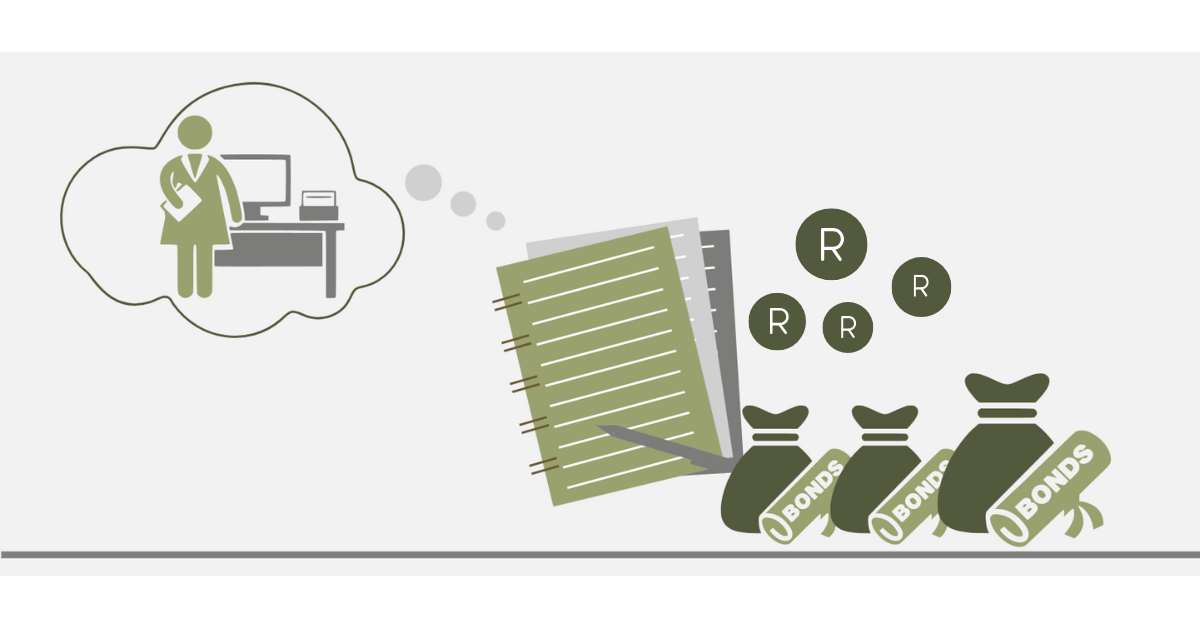
Applying for a bond in South Africa demands proper financial planning and preparation. The first thing to establish is affordability, which means evaluating income, expenditure, and creditworthiness. The lender performs an affordability check based on the monthly income and current indebtedness to ascertain if the person can repay the bond comfortably. A good credit reading is also essential for approval. This ensures the person appropriately manages money. The buyer should check his or her credit report and pay off any outstanding bills to avoid any adverse effect on the application.
Once financial readiness has been established, obtaining a pre-qualification certificate is next. Pre-qualification certificates are obtainable from most bond originators and most banks, and they provide buyers with an indication of how much they are qualified to borrow. Pre-qualification helps to narrow the search in terms of the potential search area and to support negotiations with the vendor. The bond application proper comes after selecting a desired home and making an offer.
The application calls for the submission of required documents, such as evidence of income, bank statements, and identification, along with details about the property to be bought. Some lenders could also require a deposit depending on the client’s financial status. The banks consider the application based on numerous risk parameters, such as employment status and the client’s credit record. The bank issues a letter of approval if the client qualifies, specifying the loan size, rate, and terms. The last few steps are signing bond agreements, going through the registration process, and acquiring the title to the property.
How Long Will A Bond Take In South Africa
The duration to approve the bond in South Africa also varies depending on a multitude of issues, including the client’s profile, the efficiency at the institution, and the kind of transaction. The typical period between submission and approval is five days and three weeks. Delays are also possible if the institution must seek additional details and documents.
Once the applicant receives an application, the bank typically completes the preliminary evaluation in a few days. The bank reviews the expenditure, income, and record of the applicant’s credits to determine the repayable capacity of the applicant. The application proceeds to the detailed evaluation, such as the property evaluation, if the preliminary assessment returns good. The property’s market value is confirmed to equate to the requested loan through the valuation. This activity takes three to seven days, depending on the location and availability of the property.
After the valuation, the bank makes the final decision regarding the application. The bond approval letter is officially issued to the applicant if the approval is granted. Conditional approval in other applications implies the necessity to meet some terms and conditions before the final issue of the loan agreement. External circumstances could also affect the overall timeframe, including public holidays, administrative backlogs, and the efficiency of attorneys and sellers.
What Is The Bond Registration Process?
The bond registration process is the last in the home loan agreements and title acquisition of the property. The bond approval follows, and the bank appoints a bond attorney to carry out the registration. The vendor also appoints a transferring attorney to carry out the lawfully binding handover. The attorneys work harmoniously to see that all the law and money affairs are in order before the bond is legally registered in the buyer’s name.
The process begins with the attorney drafting and having the bond documents signed. The attorney drafts the documents required, including the mortgage, terms and conditions, and loan terms, into the mortgage. The documents are signed by the buyer in the attorney’s office, and other details, including the evidence of the cover by the insurance, are also provided. The documents are submitted to the Deeds Office to be vetted and registered.
At the Deeds Office, officials check the bond and the transfer documents to ensure compliance with the law and fiscal regulation. This process could take weeks, depending on the workload at the Deeds Office. Once the bond and the transfer are confirmed, the bond and the transfer are recorded, and the buyer’s title to the property lawfully devolves to them. The bank disposes of the money lent by the bank at this juncture, and the transaction is finalized. The buyer continues to pay monthly bond installments in terms agreed in the bond.
How Many Years to Pay A House Back?
The repayment period of a bond home in South Africa typically runs between 20 and 30 years. The loan period dramatically influences the monthly installment and the total interest during the bond’s life. The longer the period, the less the monthly installment, and the less expensive the experience of owning a home in the short term. It, however, implies the overall interest during the period, and the loan becomes costly in the long run.
Homebuyers can select the desired repayment period depending on their current and future needs. Some lending institutions provide 10- and 15-year bond repayment terms to buyers who can pay a higher monthly installment. A short-term bond reduces the overall interest expenditure and helps the homebuyers gain total ownership in the shortest possible period. The homebuyers can also pay additional installments or lump sum contributions to pay off the bond in advance, cutting additional interest expenditure.
While 20 to 30 years is the standard, each lender evaluates the candidate and could offer flexible terms. Homebuyers are encouraged to consider long-term objectives and current economic status before deciding. Professional counsel from a planner could determine the most appropriate based on income, expenditures, and long-term goals.
Final Thoughts
Applying for a bond home in South Africa calls for proper planning, accurate documentation, and familiarization with the bond approval procedures. From readiness regarding funds and pre-qualification to bond approval and the finalization of the registration, each activity holds the secrets to a smooth home-buying experience. The bond approval period varies, and the buyers must exercise some patience while ensuring all the specifications required are met in good time.