The UIF fund is a social security network backed by the South African government which is there to help contributing employees through times of hardship in their life. The most common situations are no-fault job loss, unpaid maternity leave, and temporary illness that prevents you from working. There is a common misconception that there is an easily-accessible ‘retirement benefit’ associated with the UIF, but this is not true and is based on outdated legislation. While there is a very niche time when you can get UIF while retired, it’s not a commonplace claim. Today we will dive deeper into this side of the UIF, and what you ought to know about it.
Can You Claim UIF If You Retire At 60 In South Africa?
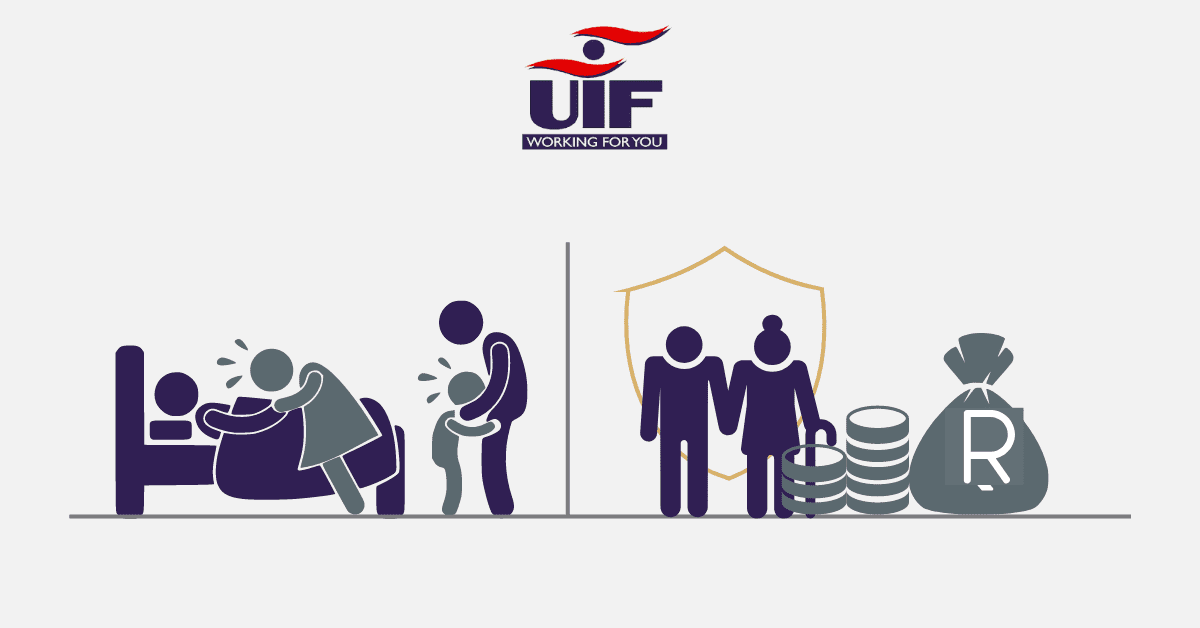
No, you cannot claim UIF if you retire at 60 or, indeed, at all, except in a very extraordinary circumstance (which we will look at in greater detail in a moment). You will never qualify for UIF if you retire early, as this is always seen as a choice. Remember, the UIF exists to help people through temporary and involuntary unemployment, not to pad out a pension or retirement annuity! UIF can be claimed for the following circumstances:
- Unemployment
- Illness
- Maternity
- Adoption
- Dependants’ benefits (after the death of a breadwinner)
So why is there an idea that the UIF pays out for retirement? This is because many retirees do not understand that a payment they get at retirement age is really from a pension plan or retirement annuity they had through their workplace, and they misattribute it to the UIF. Also because UI-19 forms are often enclosed in your final package by rote, even if they are not applicable to you.
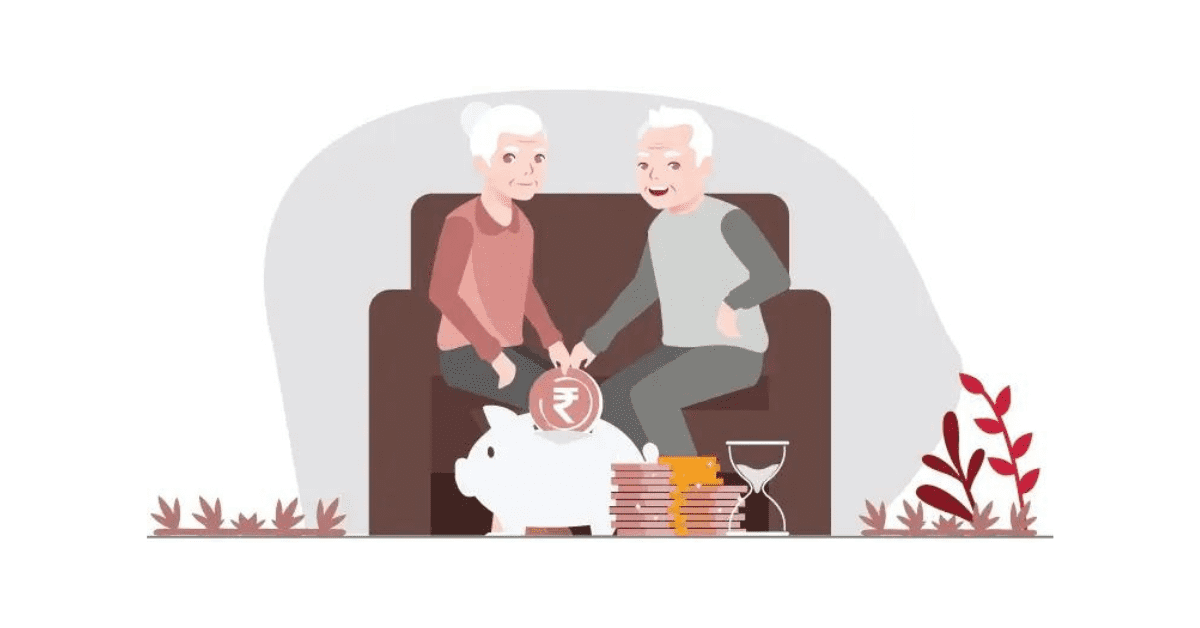
It also happens because people believe they are ‘due something’ because they worked and paid into the fund through their employment years. But it’s important to understand that the UIF is an insurance-style fund there to provide a safety net if you need it. If you don’t, so much the better- but they don’t owe you anything for it, just as other insurance types don’t pay you unless you have a valid reason to claim!
There’s one circumstance in which you might be able to make a retirement UIF claim. This is if you are forcibly retired from your position, are willing to still work, and can prove a dire need to do so. This is not a standard UIF claim and is not actually covered by the UIF Act at all, but in some limited cases, you may be able to make a claim and receive funds for a short period. We do not suggest you rely on this by default, although we would always encourage you to approach the UIF and see if there’s potential for a claim if you need it.
How Is UIF Calculated For Retirement?
UIF is not calculated for retirement, as retirement is seen as a voluntary leaving-of-employment, and the UIF does not cover any voluntary exit from employment. Retirement benefits in South Africa are typically provided through retirement funds, pension funds, or other retirement savings vehicles you put in place while you were working. The calculation of retirement benefits depends on the specific retirement fund or scheme you are a member of and the rules governing that fund.
Retirement benefits are usually based on factors such as your years of service, contributions made to the fund, salary history, and the rules of the particular retirement fund. The specific calculation formula will vary between different retirement funds and pension schemes and is a matter best discussed with a financial advisor.
How Much Does UIF Pay After Retirement?
The UIF does not provide retirement benefits at all, so do not expect to receive UIF pay after retirement, regardless of your age when you do so. UIF benefits are primarily intended to provide temporary financial assistance to people who become unemployed involuntarily or are unable to work due to specific circumstances (such as illness, maternity, or adoption). Retirement, especially early retirement, is a voluntary exit from the workforce and thus not a matter for the UIF. We strongly suggest you plan for your retired future by funding a retirement annuity and leveraging any workplace pension schemes you are eligible for.
What Is The Early Retirement Age In South Africa?
In South Africa, there is no fixed retirement age! This does make it tricky to decide what counts as ‘early retirement’. The general retirement age in South Africa is 60 years old, but the exact age will be set by your workplace, or the terms of retirement funds or pension schemes you are part of. They may allow for early retirement before this age, but it is typically with reduced benefits. Typically, the earliest you can access any kind of retirement product is 55 years of age, but this will vary. This will be outlined in the documentation provided by your retirement fund or pension scheme, and you should always understand exactly how they define these terms.
While the UIF does not offer retirement benefits despite a common misconception, there’s plenty you can do to plan for a good retirement, so it is worth chatting to a financial advisor to plan ahead.