Purchasing stocks in a firm located in South Africa can be one of the most effective ways of gaining wealth while at the same time earning partial ownership of a company. The shares mean equity ownership in a business; hence, the shareholders are entitled to capital appreciation and dividends. In SA, shares are sold on the JSE or through private sales. It involves several steps, irrespective of whether you want to acquire from a publicly listed agency or a privately owned firm.
How Do You Purchase Shares in a Company?
The most common approach is through the Johannesburg Stock Exchange. This is a step-by-step process:
- Brokerage account: This will grant you access to the JSE. You will have to get in contact with any of the licensed stockbrokers for the opening of such a profile. Among the most famous brokerage firms in South Africa is Admirals. Each of these brokers has different structures concerning fees and trading platforms. Therefore, this demands due diligence.
- Research the Firm: Before investing in any platform’s stock, it is important to study it. Study the financial health, profitability, growth potential, and risk factors associated with the particular industry. Annual reports, financial statements, and market analyses are available for your review and study.
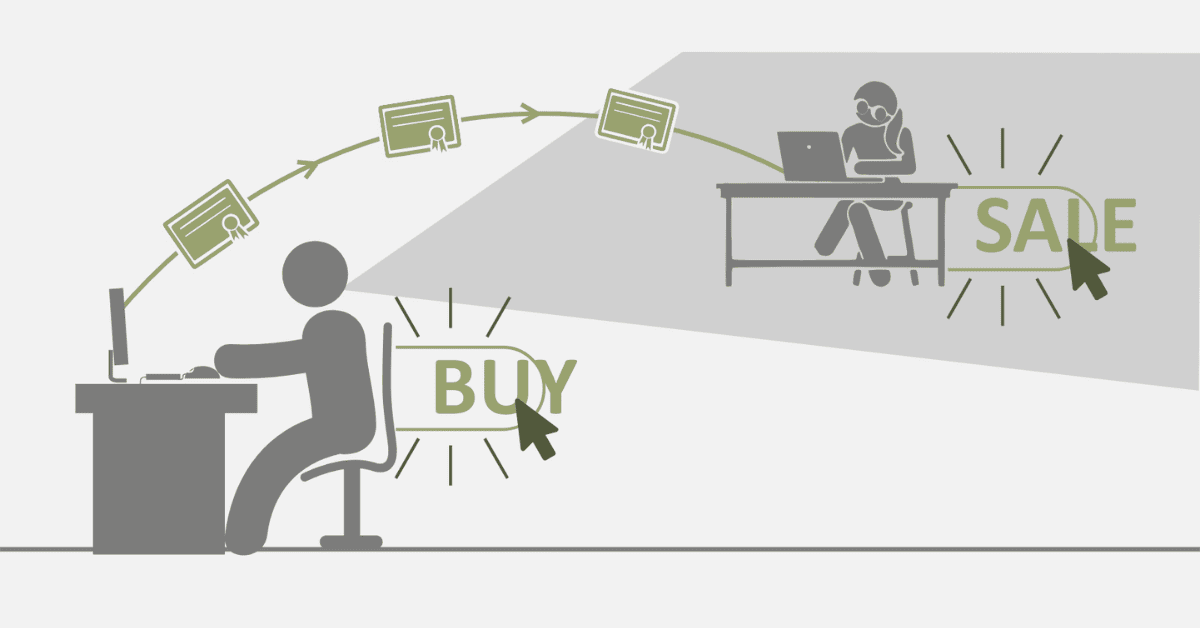
- Place Buy Order: Identify an enterprise you want to venture into and place a buy order with your broker. The two major types of orders include market orders – securing at the prevalent price in the market, and limit orders, which entail acquiring at some specific cost. Be sure to select an order type that best reflects your strategy.
- Monitor your investment: Upon buying the shares, you would then monitor your investment. Through regular studies on the company’s performance and that of the general market, you would know the right timing to sell, hold, or buy more shares.
Can You Buy a Share of a Business?
Yes, a share in a business could be purchased, and it may be via either a public or private sale. Publicly listed companies sell and trade their shares on the stock exchange. Therefore, anyone with a brokerage account can invest in such firms. When you buy one share of such publicly listed companies, such as those on the JSE, you become a partial owner of that company, entitled to part of the profit via payment of dividends and capital appreciation.
It is equally possible to buy shares in a privately owned enterprise. In such a case, the process becomes different and, to a large extent, is made through direct negotiation with the business owners. The share would not be listed on any public stock exchange, and in most cases, acquisition would mean entering into a share purchase agreement. To an SME or a start-up business, shares may be given to or offered to an investor as part of an equity finance round or direct private deals.
Buying stock from private companies might be a little riskier than buying into public companies because of a lack of liquidity sometimes and unfamiliarity with financial data. Investors must invest intelligently, carrying out in-depth due diligence and seeking out as many legal and financial advisors as necessary to ensure that terms are clear and worth the potential return against risks.
Which Company is the Best to Buy Shares from in South Africa?
- VODCOM Group (VOD): As one of the major telecommunication operators in South Africa, Vodacom offers some of the highest levels of dividend yield that look particularly attractive; because of its market lead, the company has also shown strong growth in the sector. Everything revolves around the mobile phone and related data consumption, making it a popular pick among investors.
- Investec Group (INL): This financial services company operates in banking, wealth management, and asset management. There is consistency in the firm’s financials and avenues of investment. Another unique factor that stands out is the dual listing on the JSE and London Stock Exchange.
- Nedbank Group: It represents one of the “Big Four” banks in South Africa and is, therefore, by implication, right at the heart of the financial service delivery within the South African perspective. The bank has demonstrated a resilient earnings performance and pays a decent dividend yield. Thus, it is well-positioned in the portfolios of many income capitalists.
- Aspen Pharmacare Holdings: It’s a large firm in both local and international markets. In the current times, the company has portrayed good performance trends in the health sector. As such, the company is into the acquisition of more lines of products, hence promising to prospective investors.
Which Company Share Gives the Highest Profit?
When searching for excellent return promising firms, the starting point shall seek companies with fantastic performance history, good capital appreciation, and a good history of regularly paying their dividends. Several companies in South Africa have proved they can make considerable profits for their shareholders.
- Naspers: One of the most profitable companies listed on the JSE, with an essential stake in the Chinese tech giant Tencent, has given its shareholders exceptional returns in the form of capital appreciation over the years and remains one of the sought-after stocks on the market.
- Standard Bank Group: In twenty countries on the continent, it is the largest South African bank by assets. It has a proud record of excellent profitability and a solid dividend payout. Well, this is one performance that has performed well and yielded investors’ returns time after time.
- FirstRand: FirstRand is another giant in the banking industry of South Africa, and such a diversified portfolio has enabled the company to ensure high profitability. The substantial capital growth in the years has resulted from its focus on retail, commercial, and investment banking.
- Kumba Iron Ore Company: It is a leading iron ore producer that has benefited from good returns due to elevated commodity prices. Good returns support this at times when the share price spirals in line with global demand for iron ore.