Paying UIF (Unemployment Insurance Fund) compensation in South Africa is a significant company obligation. UIF compensation makes ensuring that workers have access to money during unemployed times. Employers must comprehend the UIF payment process to fulfil their commitments and help their employees.
Employers can ensure compliance with UIF requirements and successfully help their staff members when unemployed by following the recommendations in this handbook. This tutorial will explain UIF remuneration payment procedures, including what it entails, how it is calculated, and what is excluded from UIF remuneration.
How to Pay UIF Remuneration
Employers must take the following actions to pay UIF compensation:
- Sign up with the UIF.
Employers must register with the UIF before remitting UIF compensation. This entails filling out the required registration documents and supplying details about the business and its personnel.
- Determine UIF Contributions.
Calculate the UIF contribution based on the combined gross pay of all employees. A maximum income threshold applies to the current UIF contribution rate, a proportion of the employee’s salary.
- Subtract contributions to UIF.
Subtract from wages the employee’s portion of UIF contributions. It is the employer’s responsibility to subtract this sum and add their portion.
- Monthly Declarations Due
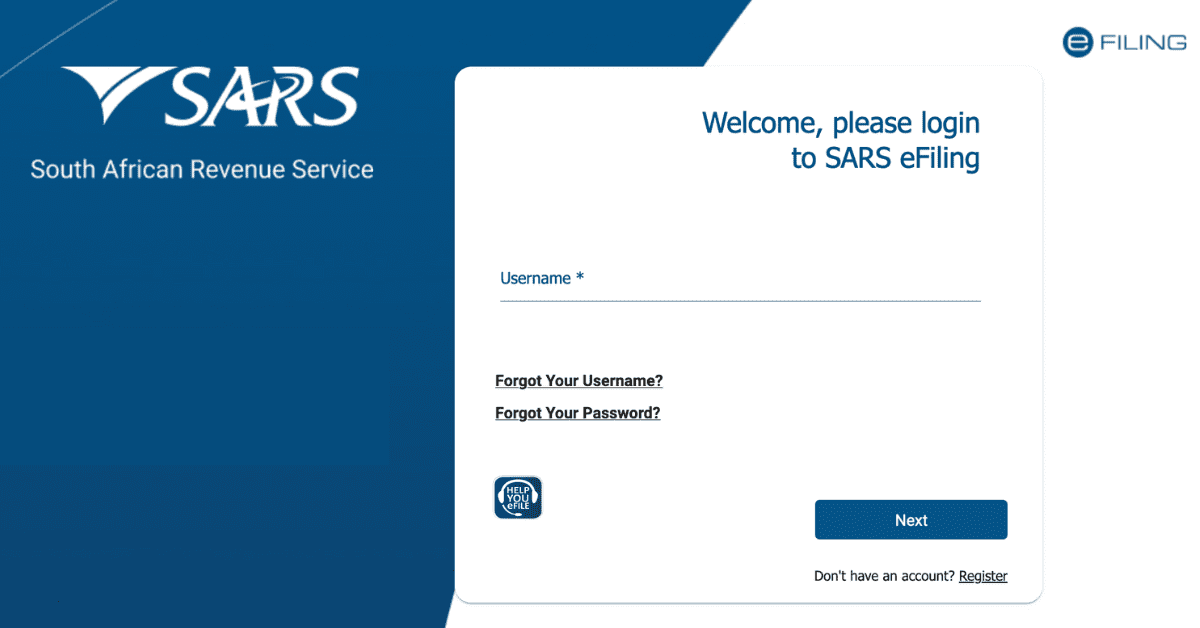
Prepare and submit monthly statements to the UIF, including a breakdown of all employee contributions. These declarations may be electronically filed using the required forms or the UIF’s website.
- Pay contributions to UIF.
Transfer to the UIF the entire amount of contributions, including the employer and employee portions. You must make this payment by the seventh day of the subsequent month.
- Create records
For five years, you must keep complete records of all UIF contributions, including payment receipts and monthly declarations.
What Does UIF Remuneration Mean?
The foundation for calculating UIF contributions and benefits is remuneration. The overall compensation an employee receives in exchange for their services is referred to as remuneration in UIF. It covers all types of remuneration, including base pay, bonuses, commissions, overtime pay, and other monetary perks.
Employers should consider any monetary compensation offered to employees when paying UIF remuneration and ensure that the proper amounts are used for UIF calculations. To comply with UIF requirements and ensure that employees receive the proper UIF benefits when needed, it is crucial to record each employee’s compensation information accurately.
How is UIF Compensation Determined?
The determination of employees’ gross incomes is necessary for calculating UIF compensation. Here is how it is usually determined:
- Determine Gross Profits
Determine the employee’s gross earnings first, which comprise their base pay, bonuses, commissions, allowances, and any other monetary advantages they may have earned during the relevant period.
- Leave out Taxable Benefits
Exclude non-taxable benefits from gross income, such as employer contributions to medical assistance programs or pension funds.
- Put the UIF Contribution Rate to use.
Apply the employee’s gross pay to the current UIF contribution rate. A maximum income limit applies to the contribution rate; if exceeded, UIF contributions are unnecessary.
- Make the employee and employer contributions calculations.
Based on the relevant rates, determine the employer and employee contributions to the UIF. From their earnings, subtract the employee’s share and then add the employer’s share.
- Calculate the UIF Compensation
The amount earned after deducting the employee’s portion of UIF payments from their total earnings is the UIF remuneration.
To meet their commitments and give employees the proper UIF benefits when unemployed, employers must ensure accurate estimates of UIF compensation.
What are the UIF Remuneration Exclusions?
The calculations used to determine UIF payment exclude some forms of income. Among these exclusions are:
- Severance Pay
Severance pay and retirement benefits are examples of lump sum payments paid to employees upon termination of their employment that are not regarded as compensation by UIF.
- Pension Annuities
Calculations of UIF remuneration do not consider employee contributions to retirement annuities.
- Travel and Subsistence Allowances
UIF compensation does not include subsistence and travel expenses like lodging or meal reimbursements.
- Cashless Benefits
Non-monetary advantages given to employees, including housing or car benefits, are not regarded as part of UIF compensation.
- Reimbursements
The UIF does not factor in employee reimbursements for costs incurred while performing work-related responsibilities, such as travel costs.
- Gratuities and Tips
Employee tips and gratuities are not accounted for in the UIF pay.
- Income Imputed
The value of benefits obtained by employees for free or at a reduced cost is known as imputed income, and it is typically removed from UIF remuneration calculations.
Employers must be aware of these exclusions and ensure that only permissible income sources are considered when calculating UIF remuneration. This makes it easier to accurately calculate UIF benefits and contributions and ensures that UIF rules are followed.
Conclusion
Employers in South Africa have a major duty to pay UIF compensation. Employers can fulfil their duties and assist their staff members while unemployed by following instructions in this detailed handbook. Understanding what counts as compensation, how to calculate it, and exclusions from UIF compensation is crucial. Following the rules can allow employers to pay UIF compensation and improve employee morale.