These venturing opportunities in SA range from residential homes and commercial buildings to vacant land. The country offers just the right mix of culture, scenic beauty, and dynamism in its economy, which draws locals and international investors alike. Thus, understanding the various ways one may invest in property is crucial in making informed decisions designed to achieve set financial goals. Whether one is a new or professional investor, being aware of the options and related benefits and challenges will help maximize returns while keeping risks to a minimum.
Types of South African Property Investments
1. Residential Property
Residential property is among the most common forms of South African property ventures. It includes single-family homes, apartments, or townhouses that a potential investor can buy for personal use or to bring in a rental income. Residential property is a promising investment avenue, plus it has the benefits of capital appreciation and tax advantages linked with principal primary residences. Rental properties can produce a decent and stable income flow, especially in areas in demand, such as Cape Town or Johannesburg. However, it’s worth considering that one will have to pay property management fees, maintain the property, and potentially face some loss of income if the property stays vacant.
2. Commercial Property
On the other hand, these commercial properties may range from office buildings to retail spaces to industrial units. These are excellent investment opportunities, often highly lucrative, with long-term leases and more significant percentage returns than residential places. Commercial property investment depends on having an exceptional understanding of the market, for these are specific properties subject to economic cycles and industry-specific risks. Office spaces can witness demand fluctuations based on business dynamics or economic trips. The retail business is dependent on consumer spending behavior and the location itself. Industrial properties, especially warehouses, tend to provide strong stability, and a potential increase in the value of this form of business faces significant consideration of logistic and infrastructural needs.
3. Vacant Land
Investment in vacant land gives a unique opportunity to develop a property from scratch. This type of investment may be most attractive in the areas that are developing quickly while the value of land is expected to appreciate. However, buying vacant land comes with its problems. The investors are also subjected to land use restrictions such as the zoning law, tap fees, and other environmental concerns. The land can lie idle for a while and thus pass some time before investment returns start coming in. Despite all the odds, vacant land can provide substantial long-term gains if appropriately managed.
4. REITs
This option is an excellent alternative for the more hands-off property capitalists. With REITs, they get the chance to purchase shares tied to a pool of properties, hence the prime opportunity to enter the world of real estate
How to Invest Money in Property in South Africa?
Purchasing property in South Africa is subject to several procedures that should begin with proper research to find the best kind of property and also the location.
The first step is to know your budget and available finance sources, whether a mortgage or personal money. Working with a qualified real estate agent or investment advisor can help you understand market trends and step you through the process. Perform a thorough analysis of the property’s return potential, considering rental cash flows, appreciation, and associated costs.
Legal due diligence is very important, so close the deal when satisfied that the contracts and agreements are free of any problems. Upon the exchange of ownership, consider the operation of the property on a day-to-day basis through the help of an honest property management company, especially in the case of rental properties.
What Kind of Property Is Best to Invest In?
This will be determined based on your monetary goal, risk tolerance, and venturing horizon. The nature of residential assets is likely to be more stable, and they are likely to be easier to handle, so in that sense, they are suitable for individuals looking to get their first foothold in the investment business. Despite promising possibilities and profits, commercial assets are volatile and sensitive to know-how requirements in the market. Depending on the potential of capital appreciation, a piece of vacant land is always development-risky. REITs, although providing diversification, always carry the risks attributed to market swings and maintaining appropriate liquidity levels for investors. Ultimately, the perfect investment has your objectives and financial situation in harmony.
Final Thoughts
South Africa offers multitudes of opportunities regarding property investment, although it calls for thoughtful planning and an informed decision-making process. It therefore pays to understand the different types of property investments one may get into, starting from residential homes, commercial buildings, or REITs, to know the one best suited for portfolio diversification purposes. The strategy includes the desire for consistent rental income, leverages on long-term appreciation, and having a more diversified investment through REITs. Just like any other business or investment, success with this lies in research and expert input in South African property.





![Internal Rate of Return [IRR] – Calculation](https://www.searche.co.za/wp-content/uploads/internal-rate-of-return.webp)
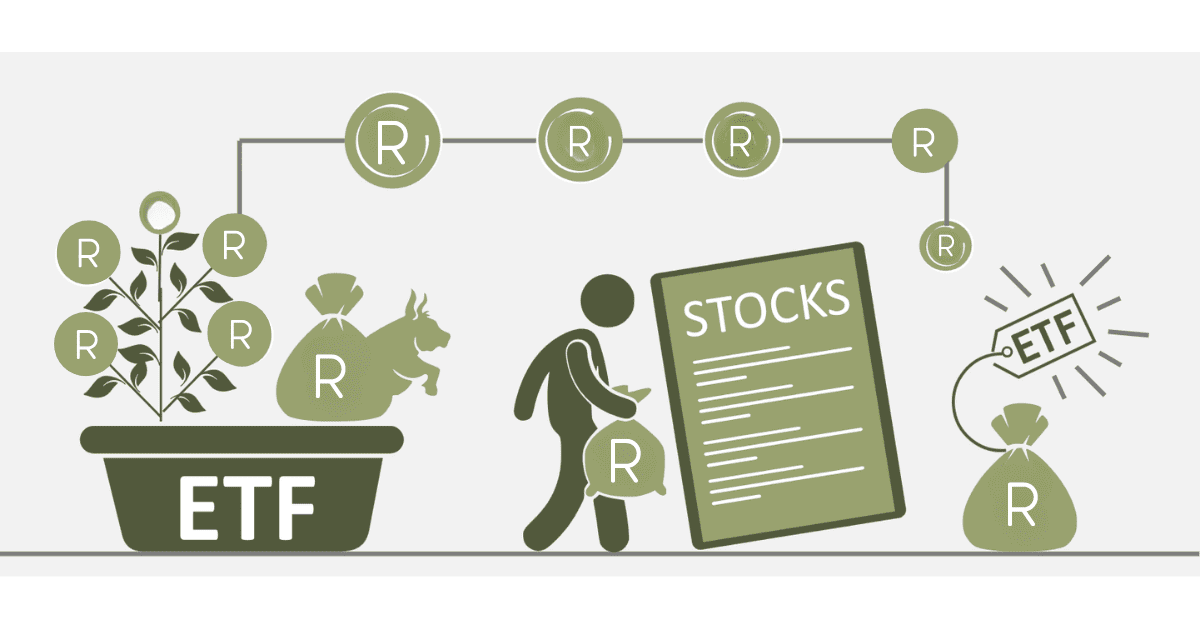
![What are ETF [Exchange-Traded Funds]?](https://www.searche.co.za/wp-content/uploads/etf.webp)