The South African government generates revenue by collecting different types of taxes, including value-added tax (VAT). All enterprises that have reached a VAT threshold of R1 million in twelve months must have mandatory VAT registration. Registered vendors charge VAT on taxable goods and services, and they submit the revenue generated to the South Africa Revenue Service. This article explains everything you want to know about calculating VAT
How Do I Subtract VAT From Total Amount?
VAT is charged on all taxable supplies at the rate of 15% in South Africa. If VAT is included in the price, you can get the VAT excluded by dividing the total amount by 1 + 15% (VAT rate in South Africa). The simple formula to find the amount excluding VAT is as follows:
Divide the amount that excludes VAT by 1.15
Subtract the figure you get from the total amount charged, which will give you VAT excluded amount. You should know that the Rand value, excluding VAT is less than the total amount including VAT. To enhance accuracy, check your figures and make sure they are correct.
What Percentage Is VAT in South Africa?
VAT is applied at 15% of the original price of the taxable product or service. You can find the VAT to be levied by multiplying the original price by 0.15%. The answer you get is the VAT portion that will be charged on a particular item or service. For instance, if the total amount excluding VAT is R100, you need to multiply this figure by 0.15, which gives you R15. This will be your VAT portion, which should be added to the original figure to give us the VAT-inclusive amount.
In this case, your VAT-inclusive amount will be R115, which you get after adding the original amount and the VAT portion. VAT charged on taxable supplies is known as output tax, and it determines the VAT you will pay to SARS. Your output tax must be higher than the input tax to determine the total amount you should pay to SARS.
Does Gross Amount Include VAT?
The gross amount or price considers all aspects involved in all stages of the item’s production. It covers things like materials, labour, distribution costs, and VAT. The VAT applicable is only reflected on the price charged by the vendor, which is paid by the final consumer. On your invoice, you can include calculations that show a subtotal before VAT.
Vendors who use net pricing on their invoices have prices without VAT. This strategy is commonly used in B2B sales where VAT is not charged. For example, products offered by one business to another meant for resale do not include VAT. Gross pricing is the standard practice that involves B2C sales, where the final consumer pays tax.
VAT is known as an indirect tax on the consumption of goods and services because it is levied on the buyers, but the vendor is responsible for remitting it to SARS, not the consumer. Therefore, if you are VAT registered, your prices should reflect the gross amount. If you are not VAT registered, you are not supposed to work with VAT, so there is no need to worry about things like gross pricing. You should also know that the gross amount only applies to VAT invoices.
How Do I Calculate VAT From SARS?
VAT is charged at 15%, and this tax system is designed in such a way that the final consumer or buyer pays the amount charged. This is why it is known as an indirect tax aimed at the consumption of domestic services and goods. It is also charged on goods imported into the country. The VAT standard rate is 15% or, in some cases, zero rate (0%) on other goods and services.
You can use an online calculator to calculate VAT using the rate of 15%, or you can do it manually since the result is the same. For instance, 0.15 is the decimal representation of 15%, which you can multiply with the original amount to get the VAT portion. For a product with an original amount of R100, you can calculate VAT by taking the following steps.
R100 X 0.15 = R15
R15 is your VAT portion, so you must add it to the original amount.
R100 + R15 = R115
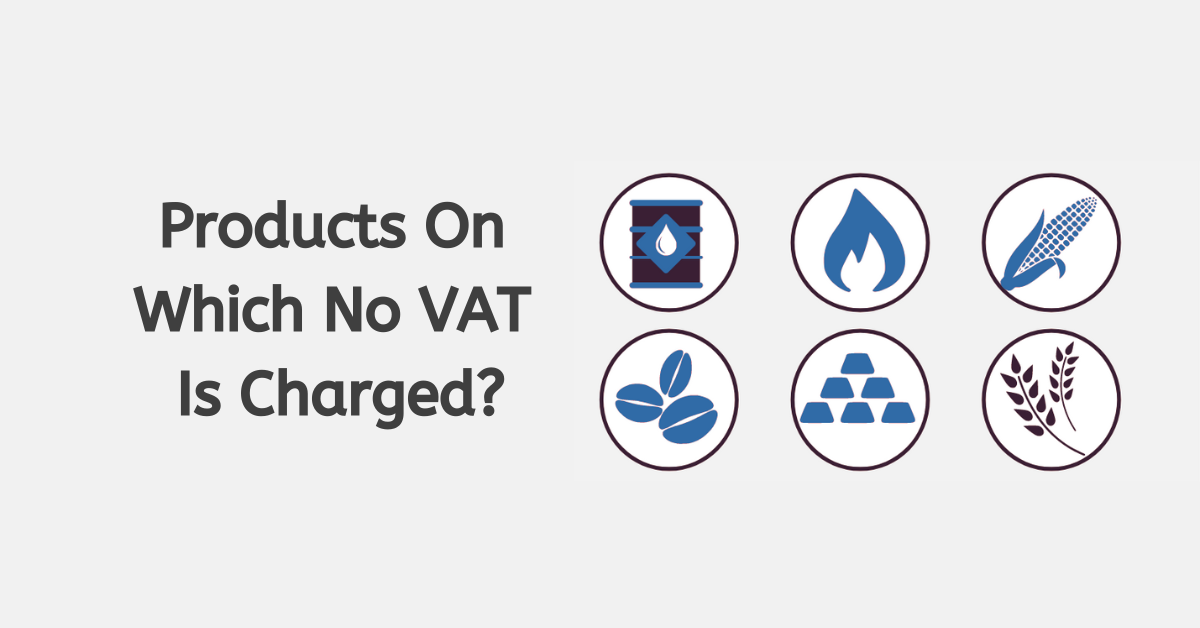
Your VAT-inclusive price is R115, and it should always be higher than the amount that excludes VAT. Your invoice should show that the price includes VAT to be compliant with SARS regulations. VAT is charged at zero rate on some goods and services. In this case, no VAT is added, so the original amount remains unchanged. It is important to know the products that are exempt from VAT so that you charge realistic prices that do not violate the laws.
If you are a registered vendor, knowing how to calculate VAT is crucial since it helps you make informed decisions concerning the pricing of your products and services. VAT is charged at a standard rate of 15% or 0% in South Africa. When you add VAT to the original amount, you come up with the gross price. To get the net amount, you can multiply the Gross amount by 0.15 to get the VAT Rand portion. Subtract it from the gross amount, and you will remain with a figure that excludes VAT.